
When Learning Was Disrupted
When floods hit parts of Aceh, learning at SDIT Ceudah Rabbani came to a halt.
Classrooms were left covered in mud—floors damaged, furniture displaced, and for weeks, students had no proper place to learn. Around 100 students and 15 teachers were affected, as the school’s infrastructure suffered significant damage. At least three classrooms required full reconstruction, while others were no longer safe for daily use.
For many students, school—once a place of routine—suddenly became uncertain. Lessons were interrupted, and the absence of a proper learning space disrupted not only academic progress, but also their sense of stability.
In situations like this, access to education becomes one of the most affected aspects of daily life. When a school like SDIT Ceudah Rabbani cannot function, the disruption extends beyond the classroom—impacting routines, learning continuity, and students’ overall development.
Restoring the School
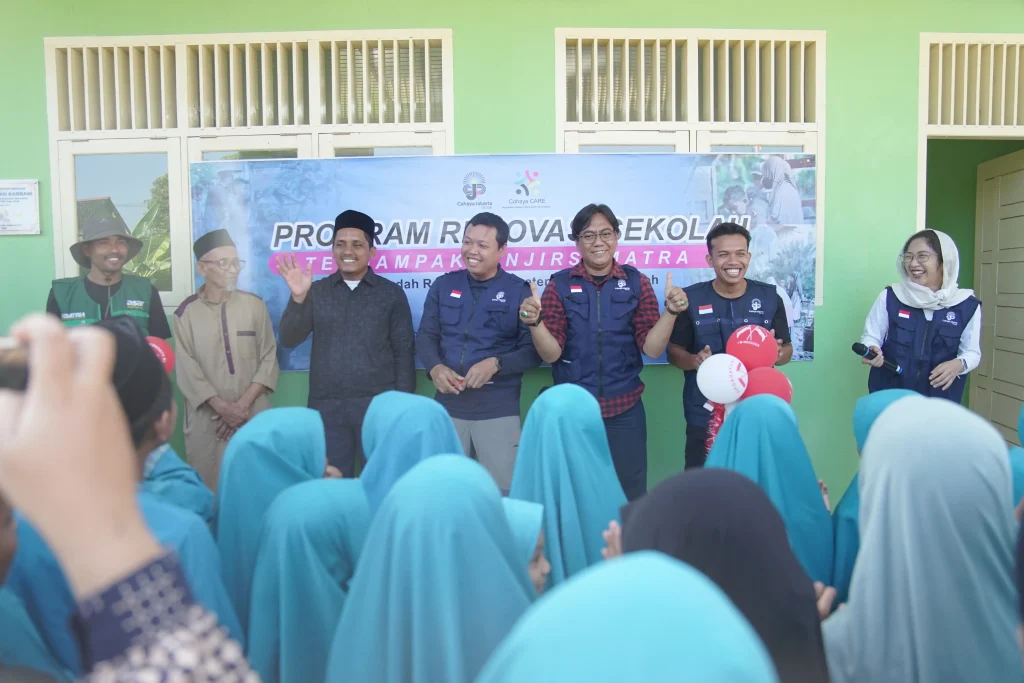
In response to these conditions, Cahaya Jakarta Group initiated a renovation program to support the recovery of SDIT Ceudah Rabbani. Working together with ASAR, along with on-site teams and volunteers, the effort focused on rebuilding the most critical classrooms first—allowing students to gradually return to a safer learning environment.
The goal was simple but essential: to make the school usable again, so students could return to learning as soon as possible.


The Renovation Process
The renovation began on April 18, 2026, marking an important step in the school’s recovery.
On-site teams worked to clear debris, repair damaged structures, and restore classrooms that had been left unusable after the flood. Floors were fixed, walls were reinforced, and learning spaces were gradually prepared again.
Over time, visible progress began to take shape. Spaces that once stood silent started to come back to life—no longer abandoned, but slowly becoming functional learning environments once more.
This rebuilding process required close coordination, time, and sustained effort on the ground.


Beyond Reconstruction
While the physical transformation was important, the impact extended beyond buildings.
For students, school is more than a place to study. It is where they interact, build friendships, and develop a sense of routine. Reopening classrooms means restoring that structure—allowing students to return to familiar rhythms and continue their learning journey without prolonged disruption.
Supporting Long-Term Recovery
Cahaya Jakarta Group believes that rebuilding spaces also means rebuilding opportunities. Supporting the recovery of SDIT Ceudah Rabbani reflects a broader commitment to strengthening communities through access to education.
A School Brought Back to Life
Today, the difference can be felt across the school.
Spaces that were once covered in mud are now filled again—with students, with activity, and with the rhythm of learning returning. Classrooms that were previously unusable are now part of daily school life again.
Because rebuilding a school is not only about restoring structures—it is about restoring the future within it.


