Bleed and Margin in Printing: Why Precision Matters
In professional printing, small details can have a significant impact on the final result. Two technical elements that are often overlooked but extremely crucial are bleed and margin. Understanding and applying these two elements correctly is key to achieving high-quality prints and avoiding layout errors.
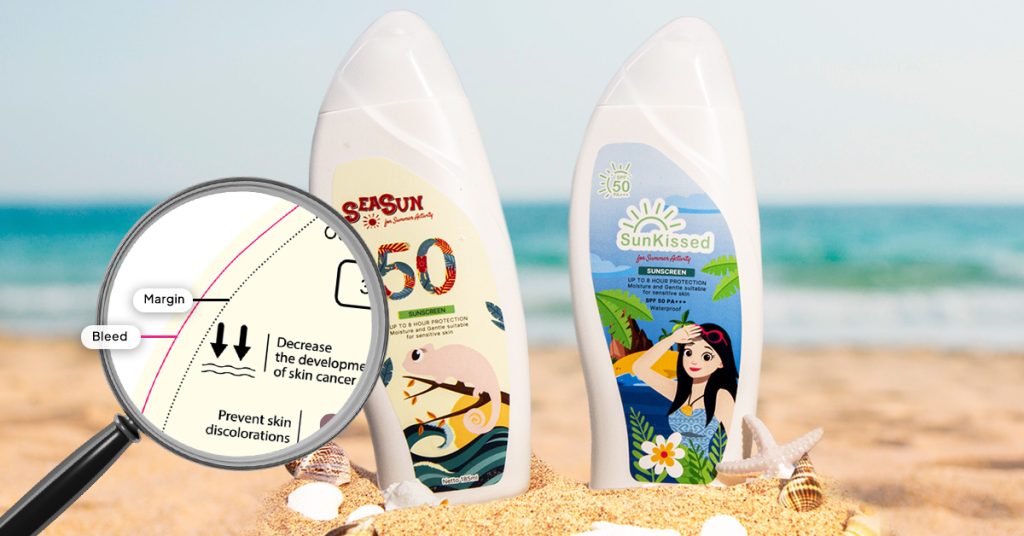
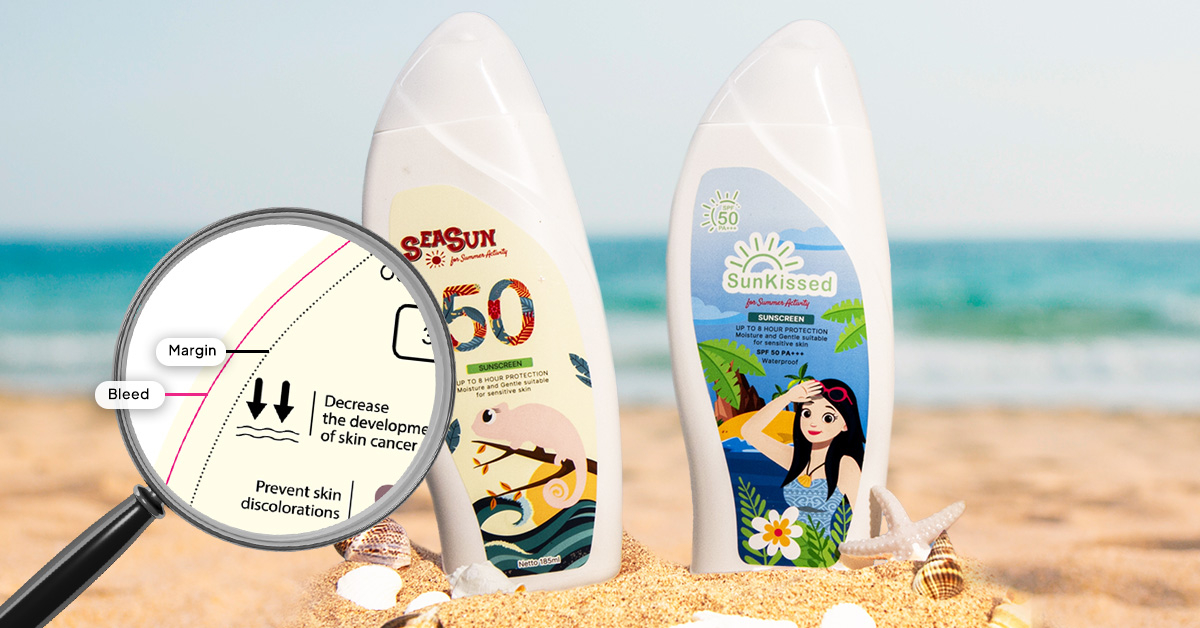
Bleed refers to the area of the design that extends beyond the final cut size. Meanwhile, margin is the empty space surrounding the main content, ensuring that important elements aren’t placed too close to the edge of the page. Both serve to prevent cutting errors and maintain a professional print appearance.
Without proper bleed and margin settings, prints may look imprecise, with parts of the design cut off or unwanted white edges appearing along the trim.
What is Bleed?
Bleed is an extra area around the edges of the design that ensures background colors or images remain intact after trimming. The standard bleed size is typically set to 1,5 mm. In design documents, the bleed area is usually marked as a line outside the trim size, and any graphic elements or background colors intended to reach the edge should extend beyond this line.
What is Margin?
Margin is a safe area that keeps important text or elements from being too close to the edge of the paper. It ensures readability and a clean appearance, even if there’s a slight shift during the trimming process. Typically set to 1 mm or more.
The difference between a margin and a safe zone is quite subtle. The safe zone is the area within the margin where all the important elements such as text and logos should stay to avoid being trimmed off, while the trim line marks the final edge of the printed product after cutting.
Why Bleed and Margin Are So Important
The trimming process in mass productions isn’t always 100% precise. Cutting machines can have a shift tolerance of 1-2 mm, which can cause noticeable issues if bleed and margin aren’t used correctly. Without bleed, unwanted white edges may appear. Without margin, text or logos can be cut off and damage readability.
Proper implementation of bleed and margin also helps maintain a professional appearance in print results. A neat and symmetrical design shows attention to detail and enhances the credibility of printed products like brochures, business cards, catalogs, or packaging.
Precision in print design is not only defined by attractive visuals, but also by applying basic techniques such as bleed and margin. Both play a major role in preserving the aesthetics, functionality, and quality of the print. With solid bleed and margin settings, every print project will look more professional, durable, and free from cutting errors that ruin its appearance.
Want to discuss your design and label? Consult your needs with us through marketing@cahayajakarta.com
Label Peel Nightmare: 3 Ways to Prevent It There’s nothing more frustrating than spending time and money designing beautiful labels—only to watch them peel
Unleashing the Power of Booklet Label In today’s fast-paced retail environment, space is premium—especially on packaging. When you’re working with limited surface area, how
Embellishment Label: A Visual Strategy for Attractive and Professional Products
Product labels are a crucial element of packaging, serving not only to convey information but also to create a strong visual first impression of the brand. In a highly competitive market, an appealing label design has the power to increase consumer attraction and trust.
One effective way to enhance label appearance is through the use of embellishment techniques. Label embellishment refers to post-printing processes that add special visual or textural elements to enrich the design and convey a premium impression. This process is often referred to as a decorative finishing touch.
What Is Embellishment in Product Labeling?
Embellishment in product labeling refers to a series of decorative post-printing techniques aimed at enhancing the label’s visual appeal and perceived value. Unlike technical finishing, which serves a functional purpose (such as cutting or folding), embellishment focuses on aesthetics—elevating perceived quality and strengthening the product’s visual identity.
Common examples of embellishment include embossing, foil stamping, spot UV, and die-cutting. These techniques are widely used in premium packaging industries such as cosmetics, gourmet foods, and export products, as they help create a lasting visual and tactile impression on consumers.
Common Types of Label Embellishments
Lamination (Glossy/Matte) A transparent protective layer that enhances visual appeal and label durability, available in glossy or matte finishes.
Spot UV A selective high-gloss coating applied to key elements such as logos or brand names to create striking visual contrast.
Embossing / Debossing Raised or recessed printing techniques that create a three-dimensional texture, adding a touch of elegance and exclusivity.
Foil Stamping (Hot/Cold) The application of metallic finishes such as gold, silver, or holographic foil to enhance visual appeal and convey luxury.
Die-Cutting Custom-shaped label cutting that visually distinguishes the product from standard label formats.
Varnish A clear liquid coating—either lightly glossy or matte—applied directly to the label surface, offering subtle protection and an aesthetic finish without significantly increasing material thickness.
Choosing the Right Embellishment Technique for Your Product Design
After understanding the various types of embellishment, it is essential to choose the technique that best aligns with your design needs. The selection should be tailored to the product’s characteristics and the target market segment.
In addition to enhancing visual style, the label material should also be carefully considered. Certain embellishment techniques require smooth or flat surfaces to achieve optimal and precise results. When chosen appropriately, embellishment not only enhances visual appeal but also strengthens the product’s competitiveness in the marketplace. Beyond technical and aesthetic benefits, embellishment also plays a strategic role in building brand image and increasing product value.
The Benefits of Embellishment for Packaging Branding
Enhances Visual Appeal Embellishments create a premium, eye-catching label design that stands out on retail shelves and conveys a professional impression.
Provides Additional Protection Techniques such as lamination and varnish offer protective functions, shielding the label from moisture, friction, and UV exposure.
Improves Label Durability Embellished labels tend to be more resistant during distribution and storage, maintaining color vibrancy and structural integrity.
Supports Brand Differentiation Consistent use of embellishment techniques can become a unique visual signature, distinguishing the brand from competitors and reinforcing brand identity.
Label embellishment is more than just a visual enhancement—it is a branding strategy that adds value to your product. The combination of aesthetic elements and protection creates a premium impression, enhances marketability, and extends label longevity. However, not every embellishment is suitable for all product types. A deeper understanding of your product is necessary to determine which technique truly aligns with its content and function.
Interested in giving your product a premium touch through the right embellishment?
Consult your needs with Cahaya Jakarta via: marketing@cahayajakarta.com
Label Peel Nightmare: 3 Ways to Prevent It There’s nothing more frustrating than spending time and money designing beautiful labels—only to watch them peel
Unleashing the Power of Booklet Label In today’s fast-paced retail environment, space is premium—especially on packaging. When you’re working with limited surface area, how
In today’s crowded retail landscape, both on physical shelves and online marketplaces, packaging does far more than protect a product. It’s the silent salesperson working around the clock. Research consistently shows that consumers form first impressions of a product within seconds, and the visual impact of packaging is one of the most powerful levers a brand can pull.
Shrink sleeve labels have emerged as one of the most effective ways to capitalize on that moment. By wrapping the entire surface of a container with a high-resolution, full-color print, they create a visual impact that flat sticker labels simply cannot match. As the global packaging market evolves, more brands, from multinational FMCG companies to emerging local startups, are making shrink sleeves a core part of their packaging strategy.
“A study involving 800 consumers confirmed that bottles with shrink sleeve labels create a stronger emotional connection than conventional labels, and directly influence first purchase and long-term loyalty.”
Eastman Chemical Company / AC Nielsen Consumer Research
What Is a Shrink Sleeve Label?
A shrink sleeve label is a flexible plastic label, typically made from PET (Polyethylene Terephthalate), PVC (Polyvinyl Chloride), or PETG (Polyethylene Terephthalate Glycol), that is printed with a brand’s design and formed into a tube shape. When placed over a container and exposed to heat via a heat tunnel or steam tunnel, the material shrinks uniformly to conform precisely to the container’s shape.
The result is a seamless, smooth, wraparound label that hugs every contour of the packaging, making it look like the design is part of the container itself. This effect is impossible to achieve with standard pressure-sensitive adhesive labels.
Material Comparison
Material
Shrink Ratio
Key Advantage
Typical Use
PVC
Up to 60%
Cost-effective, flexible
FMCG, beverages
PET / PETG
Up to 78%
Crystal-clear, recyclable
Cosmetics, pharma
OPS
Up to 65%
Lightweight, eco-friendly
Food, beverages
PLA
Up to 50%
Biodegradable, bio-based
Organic / premium products
Global Market Data: Why the Industry Is Betting on Shrink Sleeves
The numbers behind shrink sleeve adoption reflect a technology that the packaging industry is firmly committed to. According to data compiled from Fortune Business Insights, Grand View Research, and Market Research Future:
The global shrink sleeve label market was valued at USD 16.79 billion in 2024
It is projected to reach USD 26.68 billion by 2032
The market is growing at a CAGR of 6.05% from 2024 to 2032
Asia-Pacific leads globally with a 41.16% market share, growing at 8.30% CAGR, the fastest of any region
The food and beverage segment holds the largest share at 34.19%
Southeast Asia, including Indonesia, is a key growth driver within the Asia-Pacific region, fueled by rising consumer goods consumption, expanding retail infrastructure, and a growing appetite for premium packaged products.
7 Reasons Brands Choose Shrink Sleeve Labels
1. Full 360 Degree Branding Coverage
Unlike adhesive labels that cover only one panel, shrink sleeves utilize the entire surface area of a container, top, sides, and bottom. This gives designers significantly more canvas to work with: richer visuals, more product information, brand storytelling, certifications, QR codes, and multilingual content can all coexist without feeling cluttered.
2. A Premium Look That Elevates Perceived Value
The tight, seamless fit of a shrink sleeve creates an impression that the design is part of the product itself, an effect that flat labels cannot replicate. This is especially powerful for brands competing in premium categories. Combining shrink sleeves with finishing techniques like hot foil stamping adds metallic effects that dominated the market with over 49% share in 2023, reflecting how strongly brands are investing in premium visual execution.
3. Flexibility for Any Container Shape
Shrink sleeves are the ideal labeling solution for containers with curves, tapers, necks, and irregular geometries. With shrink ratios up to 78% for PETG material, they conform to almost any shape, opening the door for brands to differentiate through innovative container design without worrying about label compatibility.
4. Durability and Moisture Resistance
Because the label fuses to the container surface, it is highly resistant to peeling, tearing, and moisture, even when refrigerated or shipped through long distribution chains. This is especially critical for products sold through e-commerce, where packaging integrity during transit is non-negotiable.
5. Built-In Tamper-Evidence
Shrink sleeves can be designed with tamper-evident features that provide immediate visual proof if a package has been opened or tampered with before reaching the consumer. In pharmaceutical and certain food categories, tamper-evidence is increasingly mandated by regulation, making shrink sleeves a compliance tool as much as a branding one.
6. Ideal for Multi-SKU Product Lines
A single sleeve design can be adapted across multiple container sizes by adjusting the shrink ratio, significantly reducing inventory complexity and setup costs. This is a major operational advantage for brands with wide product ranges or those launching in multiple size formats simultaneously.
7. Short-Run and Personalization Campaigns
With digital printing now widely available for shrink sleeve production, brands no longer need to commit to large minimum orders. Short-run printing makes seasonal designs, limited editions, and personalized campaigns economically viable, even for emerging brands and SMEs.
How Shrink Sleeve Labels Are Made: The Production Process
Understanding the production process helps brand owners set realistic timelines and ask the right questions when briefing a packaging supplier.
Step 1 – Design and Pre-Press
Artwork is developed using a distortion grid template that accounts for the visual compression that occurs during the shrinking process. This ensures proportions remain accurate on the final container. Files are then converted to print-ready plate formats.
Step 2 – Printing
Three core printing technologies are used in shrink sleeve production:
Flexographic printing – high-volume, cost-efficient runs with consistent color output
Rotogravure printing – premium quality with exceptional color accuracy for complex designs
Digital printing – short-run and personalized production with no plate costs and lower minimum order quantities
Step 3 – Conversion and Slitting
Printed film sheets are cut and seamed into tube-shaped sleeves, sized precisely to the target container’s diameter. Precision die-cutting and slitting ensures consistency across every unit in a production run.
Step 4 – Application and Shrinking
Sleeves are placed over containers using high-speed automatic applicators, then passed through either a heat tunnel (hot air) or a steam tunnel (water vapor) at controlled temperatures. Steam tunnels deliver a smoother finish on highly contoured containers; heat tunnels are more common for standard applications. Modern machinery handles hundreds of units per minute.
Technical note: Steam tunnels generally produce a smoother finish on containers with sharp contours or deep indentations, but require a higher equipment investment. For standard cylindrical containers, heat tunnels deliver excellent results at lower operating cost.
Which Industries Benefit Most from Shrink Sleeve Labels?
Food and Beverage
F&B commands approximately 34% of the global shrink sleeve market. Packaged drinks, including juices, yogurt drinks, energy beverages, and ready-to-drink teas, rely on shrink sleeves for moisture resistance, vibrant shelf presence, and the ability to communicate health claims and certifications across the full container surface. The growth of functional and premium beverages has further accelerated demand for shrink sleeves as a medium for brand storytelling.
Cosmetics and Personal Care
The second-largest segment. Personal care brands use shrink sleeves to create a premium, polished feel on products like body lotions, shampoos, conditioners, and skincare. The curved bottle shapes common in this category are a natural fit for shrink sleeve application. As beauty e-commerce continues to grow, shrink sleeves also serve a protective function, ensuring products arrive in perfect condition after shipping.
Pharmaceuticals
The fastest-growing adopter. Stricter regulatory environments, multi-language labeling requirements, anti-counterfeiting needs, and tamper-evidence mandates are all driving pharma brands toward shrink sleeves. QR codes and serialization codes, critical for supply chain verification, integrate cleanly into shrink sleeve designs.
Household Products
Cleaning fluids, disinfectants, and detergents use shrink sleeves for their resistance to chemicals and moisture, conditions that would degrade conventional adhesive labels rapidly. The durability advantage is particularly important for products used repeatedly in wet or harsh environments.
Emerging Categories
Pet care, craft beverages, premium spirits, and nutraceuticals are all seeing rising shrink sleeve adoption, driven by a shared need to communicate premium positioning and stand out in competitive retail categories.
Sustainability: The Industry’s Next Frontier
The primary challenge facing shrink sleeve labels has historically been recyclability, as conventional sleeves can complicate the recycling of the containers they are applied to. But innovation is rapidly reshaping this picture:
Recyclable sleeves: In April 2024, Nestlé USA announced it would replace labels across its entire Nesquik ready-to-drink line with 100% recyclable shrink sleeves using light-blocking print technology, fully compatible with existing PET recycling streams.
Bio-based materials: PLA (Poly-Lactic Acid), derived from corn starch, is gaining traction as a biodegradable alternative to petroleum-based plastics for sleeve films.
Ultra-thin films: CCL Industries launched a 30-micron stretch sleeve in 2023, down from 35 microns, reducing material usage per label by more than 14%.
Recycled content: Avery Dennison has introduced shrink sleeve lines made from recycled PET, while Berry Global has committed to reducing virgin plastic use by 30% by 2026.
Brands that invest early in sustainable shrink sleeve options position themselves ahead of tightening packaging regulations across the EU, United States, and a growing list of Asian markets, while resonating with an increasingly eco-conscious consumer base.
Shrink Sleeve vs. Other Label Types: A Side-by-Side Comparison
Shrink sleeves are one of several label technologies available to brand owners. Understanding how they compare to alternatives like pressure-sensitive labels and in-mold labels helps you make the right decision for your product and budget.
Criteria
Shrink Sleeve
Pressure-Sensitive Label
Coverage Area
Full 360°
One panel / limited
Irregular Container Shapes
Excellent fit
Limited
Tamper-Evidence
Integrated
Requires addition
Moisture Resistance
Very high
Variable
Premium Visual Impact
High
Moderate
Unit Cost (high volume)
Competitive
Lower
Short-Run Flexibility
Available (digital printing)
Good
Application Equipment
Specialized required
Simpler
Shrink sleeve is the right choice when: your container has an irregular shape, you need full 360° visual coverage, tamper-evidence is required, your brand competes in a premium or high-visibility category, or your product will be exposed to moisture or demanding handling conditions.
Enhancing Your Shrink Sleeve with Premium Finishing
One of the biggest advantages of shrink sleeve labels is how well they pair with advanced finishing techniques to create truly standout packaging. At Cahaya Jakarta, we offer a full suite of embellishment capabilities that can be applied alongside shrink sleeve production:
Foil Stamping – adds metallic gold, silver, or custom-color foil accents that command attention on shelf and signal premium quality
Embossing and Debossing – creates tactile raised or recessed textures that add a sensory dimension to the packaging experience
Varnish Coating – spot or full-flood varnish for gloss, matte, or soft-touch finishes that protect print and enhance visual contrast
Screen Printing – ideal for opaque whites and specialty inks that deliver bold, high-coverage results on transparent film
Die Cutting – precision custom shapes and perforations for unique sleeve profiles and functional tear features
The combination of shrink sleeve with these techniques is what separates packaging that gets noticed from packaging that gets remembered.
5 Tips to Maximize Your Shrink Sleeve Design
Use high-contrast visuals in the front panel zone to maximize shelf visibility, especially important in backlit or crowded retail environments.
Use the wrap-around canvas for brand storytelling – origin story, product values, usage rituals, or ingredient highlights that deepen consumer connection beyond the front label.
Consider metallic or holographic finishes for premium-tier products. Hot foil stamping dramatically increases perceived value and shelf differentiation.
Integrate QR codes or AR markers to connect the physical packaging to digital experiences such as how-to videos, loyalty programs, or product authentication.
Always work from a distortion grid template. Artwork created without accounting for shrinkage will look warped on the final container. Always request a pre-shrink mock-up before committing to full production.
Frequently Asked Questions
What is the minimum order quantity (MOQ) for shrink sleeve labels?
MOQ varies by printing technology. Digital printing can start from a few hundred units, ideal for brand testing or limited-edition runs. Flexographic and rotogravure printing offer lower per-unit costs at higher volumes, with correspondingly higher MOQs. Contact our team for a quote based on your specific volume needs.
Can shrink sleeves be applied to glass containers?
Yes. Shrink sleeves are compatible with glass, plastic, aluminum cans, and most other packaging materials. The key requirement is that the container surface is clean, dry, and free from oils or residue prior to application.
How long does production typically take?
From finalized artwork to finished product, standard production runs typically take 2 to 4 weeks. Complex designs, specialty materials, or very high volumes may require additional lead time. We recommend aligning on your timeline at the initial briefing stage.
Are eco-friendly shrink sleeve options available?
Yes. We offer PETG film options that are more compatible with existing recycling streams than standard PVC, as well as OPS and PLA-based materials for brands with specific sustainability goals.
What is the difference between a heat tunnel and a steam tunnel?
Heat tunnels use hot air and are well-suited to standard cylindrical or simple-contour containers. Steam tunnels use water vapor for a more even, smooth shrink, particularly advantageous for containers with sharp angles or complex shapes. Your packaging supplier will recommend the best option based on your container geometry.
How does shrink sleeve compare to in-mold labeling?
In-mold labels (IML) are fused directly into the container wall during the molding process, making them truly permanent. Shrink sleeves, by contrast, are applied after production, offering more flexibility for existing container stock and shorter lead times. IML is generally better suited to rigid plastic containers produced at high volume, while shrink sleeves work across glass, metal, and plastic alike.
Ready to Elevate Your Packaging?
Shrink sleeve labels are more than a packaging accessory. They are a strategic brand investment. With full 360° coverage, premium visual impact, tamper-evident protection, and growing sustainability options, they represent one of the most versatile and effective tools available to brand owners today.
Talk to our shrink sleeve specialists for a free consultation and production estimate, no obligation. We work with brands across F&B, cosmetics, pharmaceuticals, and household products throughout Indonesia and Southeast Asia.
Data sources: Fortune Business Insights, Grand View Research, Market Research Future (2024). Eastman Chemical / AC Nielsen Consumer Research. Industry reports: CCL Industries, Avery Dennison, Berry Global.
5 Common Label Sticker Design Mistakes You Should Avoid
Label stickers are more than just adhesive tags—they are a critical component of product packaging and brand communication. For businesses, especially in the FMCG, cosmetic, or pharmaceutical sectors, well-designed labels help ensure compliance, convey key information, and reflect brand credibility. However, many companies still overlook essential design principles, leading to reduced shelf impact, production inefficiencies, and potential miscommunication with end users.
Below are five common mistakes often found in label sticker design:
Poor Color Selection Color is one of the most impactful visual elements in label design, serving not only as an aesthetic choice but also as a key driver of brand perception and legibility. Yet, many businesses select colors based on personal taste or fleeting design trends—without considering contrast, material compatibility, or print accuracy.
Low contrast between background and text can severely hinder readability, especially in smaller label formats. Furthermore, color appearance may shift significantly depending on the label material used, such as glossy, matte, metallic, or transparent substrates. Without pre-testing or proper color profiling, these mismatches can result in labels that appear inconsistent or unprofessional—ultimately diminishing consumer trust and brand value.
Text Too Small or Information Overcrowded
Cluttered layouts and overly small text are frequent issues in label design—especially when trying to fit extensive information such as ingredients, usage instructions, production and expiry dates, legal disclaimers, and certifications within a limited print area. While this data may be mandatory for compliance, poor organization often sacrifices clarity and user readability.
Inadequate font sizing and tight spacing reduce legibility, particularly on small-format labels or curved surfaces like bottles and tubes. This not only disrupts the customer’s reading experience but also reflects poorly on the brand’s attention to detail and user-centric design. In regulated industries, this can even lead to non-compliance if critical information is missed or misinterpreted.
Skipping Print Tests on Actual Packaging
Relying solely on on-screen visuals or digital mock-ups without conducting physical print tests is a costly mistake in label production. On-screen designs often fail to account for how labels will behave when applied to real packaging materials—particularly those with curves, textures, or reflective surfaces such as glass, metal, or plastic.
Without physical testing, issues such as color shifts, misaligned text, or key elements being folded over edges can easily go unnoticed. These oversights not only compromise visual impact but can also lead to miscommunication of important product details. For businesses, this translates to increased reprint costs, production delays, and even potential compliance issues.
Ignoring Safe Zones and Bleed Areas
Label production requires a careful balance of visual and technical elements. A frequent mistake is placing important elements—like text, logos, or critical information—too close to the edge of the design. This increases the risk of content being trimmed off during mass production. Neglecting to include a bleed area—a margin beyond the design boundary to accommodate cutting tolerances—can also lead to white edges around the label, detracting from the product’s professional look. Attention to these technical details ensures labels are not only visually appealing but also precise and production-ready.
Overlooking Material and Finishing Choices
Even the most appealing design won’t shine without the right material and finishing. Using generic materials—for instance, standard labels for frozen products—can result in smudging, peeling, or ink running. Likewise, finishing options like matte or glossy should align with the design intent. While matte finishes may appear elegant, they can dull visual highlights if mismatched. Incompatibilities between material and ink can produce blurry results, diminishing the brand’s credibility. A thoughtful combination of materials and finishing is crucial to uphold the label’s quality and overall brand perception.
Designing effective label stickers requires more than just visual appeal—it demands a strategic balance of aesthetics, technical accuracy, and real-world application. The five mistakes outlined above may seem minor, but they often result in reduced packaging performance, higher production costs, and diminished brand perception in the eyes of both consumers and retailers.
For brand owners, creative teams, and production managers, it’s crucial to recognize that labels are not simply decorative elements—they are critical brand assets and communication tools. When executed correctly, label designs can significantly enhance product visibility, strengthen customer trust, and elevate brand positioning in a competitive marketplace.
Need Expert Support on Label Design and Production?
At Cahaya Jakarta, our label specialists work closely with businesses to deliver printing solutions tailored to each product’s packaging, industry standards, and branding goals. Whether you’re launching a new SKU or revamping existing packaging, we’re here to help you optimize every detail—seamlessly and professionally.
Get in touch today to schedule for free consultation or request sample label kits customized for your industry!
Choosing the right label material is a critical decision that directly affects a product’s appearance, durability, and overall brand perception. Labels are more than
In today’s modern business landscape, packaging no longer serves solely as product protection; it has evolved into a vital communication medium between brands and
4 Tips For Choosing The Right Label For Your Product
Product labels are more than just information tags. Labels play a crucial role as visual communication tools, helping to shape brand identity, capture consumer attention, and foster trust in a product. The design, material, and printing quality of the label significantly influence how a product is perceived—whether on store shelves or online platforms.
Choosing the right label is a strategic step toward building a strong brand image. This article will share 4 practical tips for selecting the most suitable product label across various industries, from food and beverage, cosmetics, pharmaceutical, to retail and more.
How to Choose the Right Label:
1. Ensure The Label Matches The Product Type
Choosing the right label begins with understanding the specific characteristics of the product, as each type demands different labeling solutions. For example, products exposed to moisture—like cold beverages, refrigerated foods, or liquid cosmetics—require waterproof and durable materials such as PE or Vinyl to prevent smudging, peeling, or disintegration. Similarly, items stored in cold environments need adhesives that can maintain strong bonding even in low temperatures. Labels on curved or squeezable packaging, like tubes or bottles, must be flexible enough to conform to the surface without wrinkling or lifting.
Beyond withstanding environmental conditions, labels must also support functionality and brand integrity. Regulatory information, barcodes, and branding must remain legible throughout the product’s lifecycle, including during shipping and display. A well-matched label not only ensures compliance with legal standards but also preserves the product’s appearance, enhances user experience, and protects the company’s reputation by conveying quality and professionalism.
2. Pay Attention to Design and Branding
Label design acts as a visual bridge between the product and the consumer. A visually appealing label stands out—especially when competing against similar products on the shelf. Consistency between the label design and the overall brand identity is the key to projecting professionalism and increasing brand recall.
Use brand-appropriate colors, logos, and typography. The design should be easy to read while still reflecting the product’s values and personality. Avoid cluttered visuals that may confuse the core message. Label design isn’t just about aesthetics—it’s a strategic visual tool for brand differentiation in a competitive market.
3. Choose the Right Label Material
Label material plays an important role in both appearance and durability. Each material has its own characteristics, benefits, and drawbacks that must be evaluated according to the product’s needs and the preferences of the target market.
Here are 3 common types of label materials:
Paper Pros: Affordable, easy to print, suitable for short-term use. Cons: Less waterproof, easily damaged by moisture, unsuitable for outdoor or liquid products.
Vinyl Pros: Waterproof, flexible, adheres well to uneven surfaces. Cons: More expensive than paper, less eco-friendly.
Plastic (PP, PE, PET) Pros: Durable, chemical-resistant, stable under extreme temperatures. Cons: Non-biodegradable, not ideal for environmentally conscious brands.
The label material plays a significant role in shaping how consumers perceive product quality. A label made from high-quality materials can enhance the impression that the product itself meets high standards. Therefore, it is essential to choose label materials that align with the characteristics of the product and target market.
4. Ensure Regulatory Compliance
Products label must also meet applicable regulatory standards based on the industry. For food & beverages and cosmetics, essential information must be included, such as:
Ingredient list
Expiration date
BPOM registration number (if applicable)
Halal certification (if necessary)
Usage and storage instructions
Omitting crucial details or providing misleading information can damage a brand’s reputation and erode consumer trust. Compliance also helps avoid legal issues and supports transparency in product information.
Choosing the right label is an investment in how a product makes its first impression on the market. For premium label and packaging solutions, Cahaya Jakarta offers professional services tailored to various industries. As a trusted label manufacturer since 1991, Cahaya Jakarta delivers quality and innovation with every print. Want to discuss your label and packaging further? You can reach us through: WhatsApp or Email: marketing@cahayajakarta.com
Choosing the right label material is a critical decision that directly affects a product’s appearance, durability, and overall brand perception. Labels are more than
In today’s modern business landscape, packaging no longer serves solely as product protection; it has evolved into a vital communication medium between brands and
Exploring 3 Common Types of Labels: Advantages and Disadvantages
Product labels are more than just name or price tags—they are key elements in building visual identity, enhancing appeal, and supporting both informative and branding functions. Choosing the right type of label can influence consumer decisions, production efficiency, and the professional image of a product. There are various labelling methods commonly used in today’s industry, ranging from sticker labels to labelling techniques integrated into the packaging. Each comes with its own advantages and limitations, depending on the product’s characteristics and marketing strategy.Below are three common types of labels, along with their respective advantages and disadvantages, that should be carefully considered before selecting the most appropriate labeling method.
Pressure Sensitive Label (Sticker Label)
Sticker label is the most widely used type. Typically made from materials such as paper, vinyl, or synthetic film. These labels are equipped with adhesive on the back and can be easily applied to a wide range of packaging surfaces.Advantages:
Flexible in application
Can be applied to various types of packaging surfaces, both flat and curved.
Suitable for small-scale production
Can be printed in small quantities without significantly increasing unit costs, ideal for custom, seasonal or limited edition products.
Easy Customizable Design
The size, color, and shape of the label can be quickly adjusted to fit packaging needs and branding strategies. Disadvantages:
Risk of peeling due to repeated friction
Although Pressure Sensitive Label (PSL) materials are water-resistant and fairly durable, the label is still at risk of peeling off if frequently exposed to friction during distribution or storage—especially on uneven surfaces or when constantly rubbing against other products.
Adhesive may age or yellow over time
With long-term storage or excessive UV exposure, the adhesive on the back of the label may lose its stickiness or even turn yellow, which can reduce the visual appeal of the product.
Standard appearance without special finishing
Without enhancements such as embossing, varnish, or foil, PSL labels may look less premium—especially for high-end products.
In-Mould Label (IML)
In-Mould Labeling is a technology that integrates the label into the plastic packaging molding process. The label is placed inside the mold, then fuses with the packaging during the molding process. This technique is commonly used for bottles, food containers, or household products.Advantages:
High Durability
Since it fuses with the packaging, the label doesn’t easily peel off, tear, or fade, even under extreme conditions.
Resistant to water, chemicals, and friction
Suitable for products that require high durability, such as cleaning agents, frozen foods, or outdoor goods.
Professional and neat appearance
The label looks like an integral part of the packaging, giving a high-quality and premium impression.Disadvantages:
High initial production cost
Requires significant investment in molds and special machinery, making it less suitable for small businesses.
Limited flexibility for redesign
Changing the label design or product information involves modifying molds, which takes time and adds cost.
Inefficient for small-scale production
This method is only cost-effective for mass production, as unit costs are high for small volumes.
Shrink Sleeve Label
Shrink sleeve label is made from a thin plastic material shaped like a tube that wraps around the entire surface of the packaging, then shrinks with heat to conform to the contours of the product. This method is commonly used for beverage bottles, cosmetic products, and uniquely shaped packaging.Advantages:
360-degree design coverage
Wrap around the entire package, providing more space for branding and product information.
Water and friction resistant
Offers full protection, perfect for beverages, cosmetics, or products exposed to moisture.
Visually impactful on shelves
The full-body design helps the product stand out and be easily recognized by consumers. Disadvantages:
Requires additional equipment (heat tunnel)
The heat-shrinking process needs special tools, increasing both initial investment and maintenance.
Less environmentally friendly
Typically made from plastic, posing recycling challenges unless eco-friendly or recycled materials are used.Choosing the right labeling method requires more than a simple evaluation of pros and cons. It demands a comprehensive understanding of the product’s characteristics, production scale, packaging material, and long-term brand strategy. Each labeling technique offers unique advantages—from flexibility and cost-efficiency to premium aesthetics and durability—but no single solution fits all.Businesses must weigh considerations such as budget, design intent, consumer expectations, and environmental impact. An informed labeling decision enhances product presentation, improves operational efficiency, and strengthens market competitiveness. Labeling is not merely a technical task—it is a strategic choice that shapes how a product is perceived and performs in a dynamic marketplace.
Choosing the right label material is a critical decision that directly affects a product’s appearance, durability, and overall brand perception. Labels are more than
In today’s modern business landscape, packaging no longer serves solely as product protection; it has evolved into a vital communication medium between brands and
Discover Why Cahaya Jakarta is the Trusted Partner for Label Printing Services
Choosing the right partner for your label and packaging needs is a crucial step in building a strong product image. Cahaya Jakarta stands out as a trusted label company, serving various industries since 1991. Backed by decades of experience and cutting-edge technology, we ensure that every production process is executed with the highest standards and meticulous attention to detail.
Over 30 Years of Experience
With more than three decades in the label and packaging industry, Cahaya Jakarta has handled various types of industries, including FMCG, cosmetics, food and beverage, automotive, pharmaceuticals, and so on. This extensive experience forms a strong foundation for understanding the specific needs of each industry and providing solutions that align with market developments.
Customized Print Technology
Each product has its own characteristics and therefore requires different printing solutions. High-quality label printing technology is customized to ensure results that are not only precise but also durable and aligned with the brand’s visual expectations. Whether using flexographic or digital printing, quality remains the top priority. Depending on product shape and surface, we offer versatile options like pressure sensitive labels, shrink sleeve labels, or in mould labels to ensure perfect fit and performance.
Experienced Expert Team
Label Production depends heavily on a competent and cohesive team. Supported by skilled staff in both design and production, every stage—from consultation and material selection to label design and the printing process is handled professionally. The result is a label that functions technically while also strengthening the product’s identity.
Flexible for Any Business Scales
Not all printing needs come in large volumes. That’s why flexibility is an added value offered by Cahaya Jakarta—whether for small, medium, or large orders. This allows businesses of all sizes, from SMEs to corporations, to receive services tailored to their capacity and requirements.
With a combination of experience, technology, and qualified human resources, Cahaya Jakarta is the ideal choice for anyone seeking a reliable label company that delivers high quality prints.
Industries Served by Cahaya Jakarta
Labels are not merely packaging accessories—they are an essential part of a product’s visual communication strategy. Each industry has its own characteristics, so the type of label used must be tailored to remain effective, functional, and aesthetically appealing. As a professional printing solutions provider, Cahaya Jakarta serves various industry sectors with a flexible approach and high quality print results.
Cosmetics & Skincare
The beauty industry requires labels that are not only informative but also convey a luxurious and elegant image. Through cosmetic label printing services, a variety of finishing options—such as foil and embossing are available to enhance a product’s exclusive appeal. Labels are also designed to resist moisture and mild chemicals commonly found in skincare products.
Food & Beverage
Labels for food and beverage demand resistance to temperature, humidity, and direct contact with food substances. Designs are attractive while still complying with labeling regulations. Services include main packaging labels, barcodes with food-grade materials and high adhesion.
Beer, Wine, and Spirits
For the alcoholic beverage segment, rustic and artistic designs are crucial in building brand identity. Labels are printed using special techniques to ensure they adhere perfectly to cold or dew-covered bottles, while maintaining visual quality over time.
Pharmaceutical
Pharmaceutical labels require high precision and resistance to chemicals, friction, and extreme temperature changes. Every detail on the label, including text size, batch code, and barcode is printed with maximum clarity to meet health and safety industry standards.
Agriculture
Agricultural products such as fertilizers, pesticides, and seeds require labels that can withstand exposure to sunlight, water, and active chemicals. Outdoor grade material options are available to ensure strong adhesion and long lasting readability.
Retail
For the retail sector, affordable yet professional solutions are available. Through labeling services for retail businesses, various economical options are offered without compromising print quality or visual appearance. Suitable for new product launches, gift set packaging, and seasonal promotions.
Automotive
Labels for the automotive industry are typically used for spare parts, lubricants, or equipment. The materials used are resistant to friction, heat, and chemicals. Labels must also have strong adhesion to metal or plastic surfaces.
Household Products
From cleaning products to home appliances, household labels are designed to be waterproof, fade-resistant, and visually appealing—even when exposed to liquids or stored for long periods.
Consult Your Product Label and Packaging Needs
Every product deserves packaging and labels that fully represents its quality and brand identity. That’s why the right printing solution, attractive design, and suitable materials are key elements in increasing market competitiveness.
With over 30 years of experience in label manufacturing, Cahaya Jakarta provides competitively priced label printing services without compromising on quality. Whether for small, medium, or large-scale needs, we offer a wide range of materials, finishes, and printing technologies—customizable to match the unique character of each product.
Choosing the right label material is a critical decision that directly affects a product’s appearance, durability, and overall brand perception. Labels are more than
In today’s modern business landscape, packaging no longer serves solely as product protection; it has evolved into a vital communication medium between brands and
Label Materials: Functions, Types, and Applications Across Industries
Labels are a crucial part of many industries, serving as both an identity marker and a source of information for a product or item. In addition to helping consumers recognize brands, labels provide important details such as composition, usage instructions, expiration dates, and safety warnings. The presence of labels is essential to ensure products are used correctly, safely, and in compliance with applicable standards. Clear and informative labels can enhance customer trust and ensure adherence to industry regulations. At Cahaya Jakarta Packaging, we specialize in providing high-quality, functional labeling solutions tailored to meet the unique demands of each industry we serve.
Types of Labels Based on Their Functions
Identifications Labels
Identification labels are used to identify and track products or items, aiding in inventory and stock management. Examples include barcodes, QR codes, and inventory labels. Barcodes and QR codes enable quick scanning to retrieve product information, simplifying the sales process and inventory management. These labels are commonly used in retail, manufacturing, and logistics industries.
Informational Labels
This label contains product details, such as composition, expiration date, and instructions for use. The purpose is to help consumers understand the contents and how to use the product correctly. Examples: labels on food and beverages that include nutritional information, and medicine labels that provide dosage and usage instructions. In the food industry, information labels also list potential allergies and ingredient content in accordance with health regulations.
Warning Labels
Warning labels are used to provide safety warnings or instructions to users. These labels are important for preventing accidents or improper use. Examples: labels on chemicals that indicate corrosive hazards, or labels on electrical equipment that indicate high voltage. Manufacturing and healthcare industries rely heavily on these labels to ensure worker safety.
Branding & Promotional Labels
Branding and promotional labels aim to attract customer attention and build brand image. An attractive design can enhance a product’s appeal. Examples: uniquely designed packaging labels or holographic labels that add an exclusive impression. These labels are also used in marketing strategies, such as promotional discounts or special edition packaging.
Security and Anti-Counterfeiting Labels
These labels serve to prevent counterfeiting and ensure product authenticity. Examples include seal labels indicating the product is still sealed and labels with microtext technology—tiny text that is difficult to replicate and only readable with special tools. Additionally, there are Augmented Reality (AR) labels that allow consumers to scan the product with a smartphone to verify authenticity. These labels are also widely used in the pharmaceutical, electronics, and luxury goods industries such as premium cosmetics and alcoholic beverages.
Types of Labels Based on Material
Paper Labels
Affordable and easy to print, but less durable. Commonly used for short-term products or in non-demanding environments. Example: price tags on retail products. Paper labels are also frequently used in the fast food industry because they can be made in various shapes and sizes.
Plastic/Vinyl Labels
Waterproof and weather-resistant, these are often used in outdoor environments or on products that require more durability. Examples: labels on beverage bottles or vehicle labels. These labels often come with strong adhesives to ensure durability in extreme conditions.
Metal/Aluminum Labels
Durable and commonly used for industrial purposes that require resistance to high temperatures or extreme conditions. Example: labels on industrial machines or serial number labels on equipment.
Thermal Labels
Used in thermal printing systems, suitable for shipping and logistics due to their ability to print variable information quickly. Examples: shipping labels on e-commerce packages, purchase receipts, etc.
Label Usage Across Various Industries
Food and Beverage Industry
Labels include composition, expiration date, nutritional information, and certifications such as halal or organic. This information helps consumers make informed decisions and ensures safe consumption. With strict regulations in many countries, food labels must comply with standards set by food regulatory authorities.
Pharmaceutical and Healthcare Industry
Labels provide information about drug dosage, composition, side effects, and usage instructions. The accuracy of information on labels is crucial for patient safety. Some medicine labels also include anti-counterfeiting technology to ensure that the products patients receive are authentic.
Manufacturing and Logistic Industry
Labels are used for product identification, inventory management, and shipment tracking. They simplify the logistic process and ensure products reach the right destination. RFID and barcodes are highly relied upon technologies in this industry.
Electronics Industry
Labels display technical specifications, serial numbers, and safety instructions. This information is essential for the installation, use, and maintenance of electronic devices. Some electronic labels are heat-resistant to remain legible under high-temperature conditions.
Fashion and Textile Industry
Labels indicate the brand, material, size, and care instructions for clothing. They help consumers shoes and maintain clothes correctly. Modern textile labels are also starting to use QR code technology to provide more detailed information about the materials and product sustainability.
Selecting the right label according to the industry needs is essential to ensure safety, marketing effectiveness, and operational efficiency. With technological advancements, trends like digital labels—such as the use of Augmented Reality (AR) are becoming increasingly popular. These offer interactive solutions that allow consumers to verify product authenticity or access additional information through smartphone scanning. By understanding the various types of labels and their functions, industries can enhance product quality, customer satisfaction, and overall operational efficiency.
Choosing the right label material is a critical decision that directly affects a product’s appearance, durability, and overall brand perception. Labels are more than
In today’s modern business landscape, packaging no longer serves solely as product protection; it has evolved into a vital communication medium between brands and
Labels are an important element in marketing strategies to define the identity of a product. Not just a patch on the packaging, printing labels have a strategic role in attracting customer attention and conveying essential information related to product content. Such as how to use, composition, and product advantages that will certainly influence purchasing decisions. With the right design and information, a brand can increase credibility, build consumer trust, and ensure compliance with industry regulations.
The Functions of Labels
Labels have various functions that not only help consumers but also provide benefits to companies. Here are some of the main functions of Labels:
Product Identification
One of the main functions of labels is to help consumers easily recognize products. A unique and attractive label can characterize a brand, differentiate it from competitors, and increase brand awareness. Distinctive colors, logos, and visual designs can also build customer loyalty so that they are more likely to choose familiar products.
Product Information
Labels serve as the main source of information about a product. Consumers need clear details before buying or using an item. Some important information that is usually contained on the label include:
Composition and ingredients: to inform consumers about the contents of the product and ensure safety for those with certain allergies or preferences.
Expiry date: to ensure the safe use of a product.
Instructions for use and storage: to ensure the product is used correctly and optimally.
Certifications and claims: such as halal, organic, or environmentally friendly that can increase product trust and appeal to certain market segments.
Marketing & Branding
Labels not only provide information but also serve as an effective marketing tool. An attractive and strategic design can increase a product’s appeal on store shelves or marketplaces. In addition, labels also help strengthen brand image and build consumer loyalty by creating a professional and credible impression.
Some brands even use labels as a storytelling medium by conveying the company’s values or philosophy, which can create an emotional bond with customers. For example, a label on a coffee product that tells the origin of the coffee beans can increase customer appreciation of the product’s quality.
Legality & Regulation
In addition to the marketing aspect, labels also have an important role in ensuring that products meet applicable legal standards. Each country has its own regulations regarding the information that must be included on the label, such as composition, certification, and product claims. This can also help build customer confidence in product safety and quality.
The Importance of Labels for a Brand
For any brand, labels serve not only as a medium of communication with consumers but also as a key factor in building consumer trust and boosting market competitiveness. Below are several reasons why product labeling is crucial for a brand:
1. Building Consumer Trust
Consumer trust is heavily influenced by the clarity and accuracy of the information provided. A clear, honest, and informative label helps consumers feel more confident in the quality and safety of the products they purchase. By offering transparent information, brands can foster stronger relationships with their customers and increase loyalty.
2. Enhancing Market Competitiveness
In a competitive marketplace, brands must continuously innovate—not only in product quality but also in design and marketing strategies, including product labeling. An attractive label makes a product more recognizable, professional-looking, and can offer a competitive edge. Unique use of colors, shapes, and materials in label design can enhance visual appeal, both on store shelves and online platforms.
3. Ensuring Regulatory Compliance
Brands that aim to thrive in the market must comply with relevant industry regulations. Labels play a crucial role in demonstrating that a product meets the standards set by regulatory bodies. This compliance not only protects the brand legally but also strengthens its reputation among customers and business partners.
4. Improving User Experience
Informative and easy-to-understand labels help consumers know how to use, store, and consume the product correctly. This not only improves the overall user experience but also minimizes the risk of misuse. Well-designed labels can also provide educational value, especially for health and beauty products.
As a business, it is important to not only pay attention to product quality, but also how labels can be an effective communication. Therefore, brands must pay attention to the design strategy and delivery of information in the label in order to provide more value to consumers. With the right label, a product can be more easily accepted in the market, build a positive image, and increase customer loyalty.
How Cahaya Jakarta Can Help Improve Your Labeling Strategy
As a trusted name in Indonesia’s labeling industry for over 30 years, Cahaya Jakarta offers reliable solutions to help brands enhance their labeling. From high-quality printing and creative design support to tailored packaging strategies, they serve both large companies and growing SMEs. With services like KitaLabel, even small businesses can access professional labels at low minimums—making it easier to stand out and build consumer trust. Committed to innovation and precision, Cahaya Jakarta is your partner in taking label strategy to the next level.
Want to discuss your label and packaging further? You can reach us through our WhatsApp or hit us on our Email.
Choosing the right label material is a critical decision that directly affects a product’s appearance, durability, and overall brand perception. Labels are more than
In today’s modern business landscape, packaging no longer serves solely as product protection; it has evolved into a vital communication medium between brands and
Cahaya Jakarta: Quality Label & Packaging Solutions for Your Business
In an increasingly competitive market, labels and packaging are no longer just product complements. Attractive design, clear information, and precise print quality are essential elements in building strong branding and effective marketing strategies. This is where Cahaya Jakarta stands out as the leading label company in Indonesia—providing comprehensive solutions in professional labels and packaging.With over three decades of experience, Cahaya Jakarta understands that labels are not just about appearance, but also about trust and consistent quality. As a leading label manufacturer and label supplier, every production process is carried out with high standards to support brand growth and value.
Who is Cahaya Jakarta? Get to Know Us Better
Founded in 1991, Cahaya Jakarta began its journey focusing on the printing of self-adhesive labels. As the industry evolved and market demands increased, the company expanded its services to reach various sectors, including food & beverage, cosmetics, pharmaceuticals, agriculture, automotive, and many more.As an experienced label and packaging company, Cahaya Jakarta envisions becoming a leader across Southeast Asia. A strong family culture, excellent management, continuous innovation, and tangible contributions to society are the foundation of every business process.Our mission includes providing products and services that inspire lifestyles, building mutually beneficial partnerships, enhancing brand image, and actively participating in social activities with the surrounding community.
Comprehensive Label and Packaging Services at Cahaya Jakarta
Cahaya Jakarta offers more than just label printing — we provide comprehensive packaging solutions company that enhance branding and product appeal. With over 30 years of experience, we deliver premium, customizable label and packaging services that meet the highest quality standards across diverse industries.
High-Quality Label Printing
As the top label company in Indonesia, Cahaya Jakarta understands the importance of sharp, durable labels that reflect a product’s quality. Flexographic and digital printing technologies are used to produce high-precision prints with sharp details and long-lasting colors.Various printing services are provided to meet specific industry needs, including:
Pressure Sensitive Label (PSL): Adhesive labels activated by pressure, suitable for various packaging types, and easy to apply without heat or solvents.
Shrink Sleeves: Heat-sensitive labels that conform tightly to any packaging shape, providing 360° coverage—perfect for bold, full-wrap designs on curved or complex containers.
In Mould Label (IML): A printing method that fuses the label with the packaging during the molding process (injection or blow molding) at high temperatures, resulting in a seamless and durable appearance.
Each service is designed to provide the best solution based on product characteristics and desired branding strategy—both aesthetically and functionally.
Finishing Options
To create attention-grabbing labels, a wide variety of materials and finishing techniques are available and customizable to suit each product’s character, include:
Foil Printing: Adds an elegant metallic effect for a premium feel.
Emboss & Deboss: Techniques that create raised (embossed) or recessed (debossed) effects on the material surface.
Varnish: A protective coating with either a glossy or matte finish.
Custom Die Cut: Custom-shaped label cuts according to the design.
Product Packaging Solutions
Every product carries a story—and packaging is one of the most powerful ways to share it. More than just a means of protection, labels and packaging are essential tools for attracting consumer attention and leaving a lasting first impression. To support effective branding, Cahaya Jakarta offers a range of innovative solutions designed to elevate your product’s presence and impact.
Labels for Various Types of Packaging
As a professional label printing company, Cahaya Jakarta offers label services for different packaging materials—from plastic, aluminum, glass bottles, tubes, flexible packaging, and many more. Each label is designed to adhere firmly, withstand environmental conditions, and provide an attractive and informative visual display. With the right approach, labels not only strengthen product identity but also deliver a premium impression on store shelves.
Custom Shape & Design for Specific Needs
The uniqueness of a product can stand out even more with custom-designed labels. Through custom shape and size design services, each label element can be tailored to fit the packaging contours and the brand’s visual identity.
Design and Material Consultation
The label-making process goes beyond printing. Careful consideration is required in choosing materials, sizing, and design concepts that align with the product’s character and target market. Our label design consultation service helps business owners make the best decisions based on industry experience and current trends—ensuring each label performs optimally in both visual and functional aspects.
Consult Your Label & Packaging Needs
As a pioneer in the label and packaging industry, Cahaya Jakarta offers label printing services that prioritize not only visual quality but also durability and precision. The support of cutting-edge technology, premium material options, and various finishing techniques allows each product to stand out according to industry-specific needs—from food and beverages to cosmetics, pharmaceuticals, agriculture, and more.Want to discuss your label and packaging further? You can reach us through WhatsApp or email (marketing@cahayajakarta.com).
Choosing the right label material is a critical decision that directly affects a product’s appearance, durability, and overall brand perception. Labels are more than
In today’s modern business landscape, packaging no longer serves solely as product protection; it has evolved into a vital communication medium between brands and