4 Tips For Choosing The Right Label For Your Product

choosing the Right label

4 Tips For Choosing The Right Label For Your Product

choosing the Right label

Product labels are more than just information tags. Labels play a crucial role as visual communication tools, helping to shape brand identity, capture consumer attention, and foster trust in a product. The design, material, and printing quality of the label significantly influence how a product is perceived—whether on store shelves or online platforms.


Choosing the right label is a strategic step toward building a strong brand image. This article will share 4 practical tips for selecting the most suitable product label across various industries, from food and beverage, cosmetics, pharmaceutical, to retail and more.

How to Choose the Right Label:

1. Ensure The Label Matches The Product Type

Choosing the right label begins with understanding the specific characteristics of the product, as each type demands different labeling solutions. For example, products exposed to moisture—like cold beverages, refrigerated foods, or liquid cosmetics—require waterproof and durable materials such as PE or Vinyl to prevent smudging, peeling, or disintegration. Similarly, items stored in cold environments need adhesives that can maintain strong bonding even in low temperatures. Labels on curved or squeezable packaging, like tubes or bottles, must be flexible enough to conform to the surface without wrinkling or lifting.

Beyond withstanding environmental conditions, labels must also support functionality and brand integrity. Regulatory information, barcodes, and branding must remain legible throughout the product’s lifecycle, including during shipping and display. A well-matched label not only ensures compliance with legal standards but also preserves the product’s appearance, enhances user experience, and protects the company’s reputation by conveying quality and professionalism.

2. Pay Attention to Design and Branding

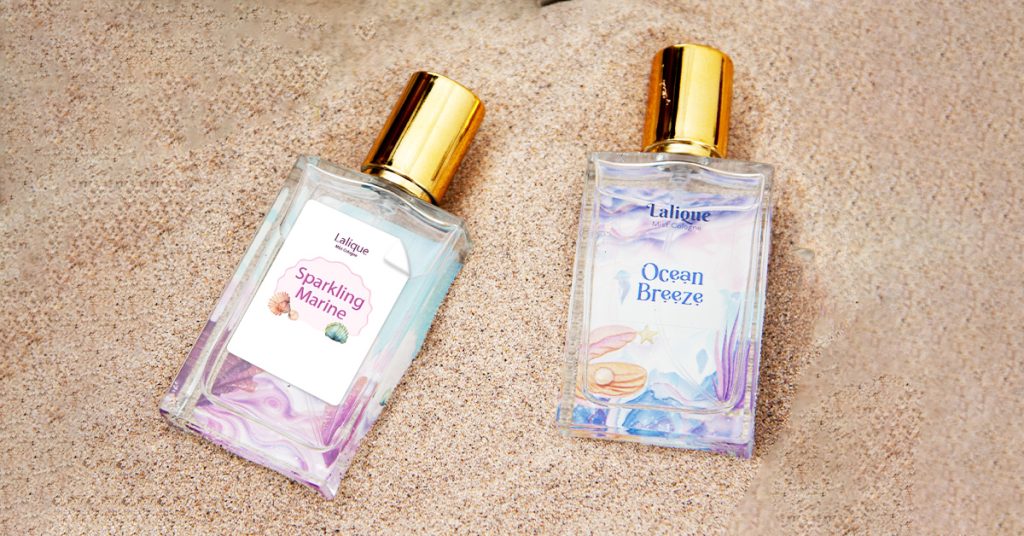
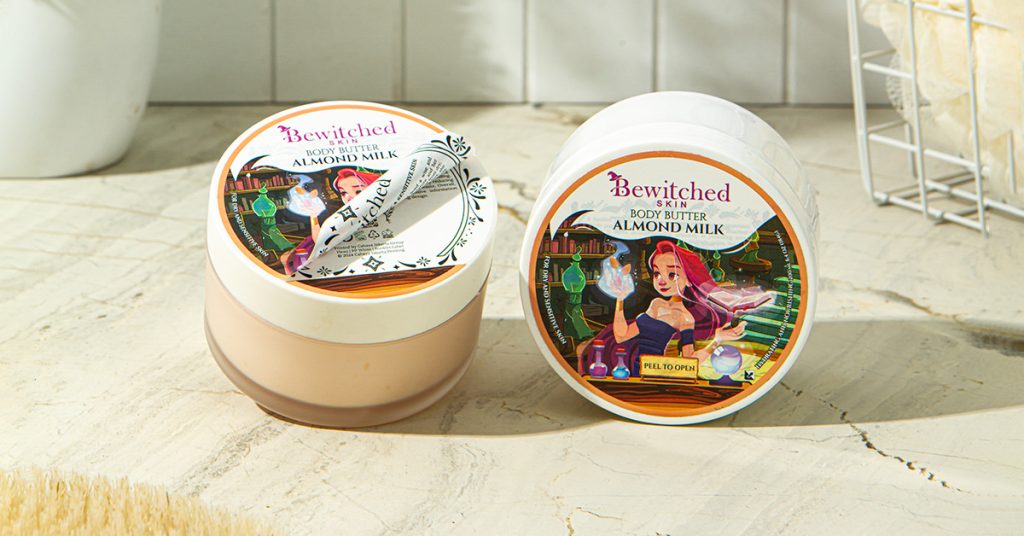
Label design acts as a visual bridge between the product and the consumer. A visually appealing label stands out—especially when competing against similar products on the shelf. Consistency between the label design and the overall brand identity is the key to projecting professionalism and increasing brand recall.


Use brand-appropriate colors, logos, and typography. The design should be easy to read while still reflecting the product’s values and personality. Avoid cluttered visuals that may confuse the core message. Label design isn’t just about aesthetics—it’s a strategic visual tool for brand differentiation in a competitive market.

3. Choose the Right Label Material

Label material plays an important role in both appearance and durability. Each material has its own characteristics, benefits, and drawbacks that must be evaluated according to the product’s needs and the preferences of the target market. 

Here are 3 common types of label materials:

  • Paper
    Pros: Affordable, easy to print, suitable for short-term use.
    Cons: Less waterproof, easily damaged by moisture, unsuitable for outdoor or liquid products.

  • Vinyl
    Pros: Waterproof, flexible, adheres well to uneven surfaces.
    Cons: More expensive than paper, less eco-friendly.

  • Plastic (PP, PE, PET)
    Pros: Durable, chemical-resistant, stable under extreme temperatures.
    Cons: Non-biodegradable, not ideal for environmentally conscious brands.


The label material plays a significant role in shaping how consumers perceive product quality. A label made from high-quality materials can enhance the impression that the product itself meets high standards. Therefore, it is essential to choose label materials that align with the characteristics of the product and target market. 


4. Ensure Regulatory Compliance

Products label must also meet applicable regulatory standards based on the industry. For food & beverages and cosmetics, essential information must be included, such as:

  • Ingredient list

  • Expiration date

  • BPOM registration number (if applicable)

  • Halal certification (if necessary)

  • Usage and storage instructions


Omitting crucial details or providing misleading information can damage a brand’s reputation and erode consumer trust. Compliance also helps avoid legal issues and supports transparency in product information.


Choosing the right label is an investment in how a product makes its first impression on the market. For premium label and packaging solutions, Cahaya Jakarta offers professional services tailored to various industries. As a trusted label manufacturer since 1991, Cahaya Jakarta delivers quality and innovation with every print. Want to discuss your label and packaging further? You can reach us through: WhatsApp or  Email: marketing@cahayajakarta.com

Check Other Blog
Choosing the right label material is a critical decision that directly affects a product’s appearance, durability, and overall brand perception. Labels are more than
In today’s modern business landscape, packaging no longer serves solely as product protection; it has evolved into a vital communication medium between brands and

Clear on Clear and Film Transparent Label

Clear on clear label

When it comes to creating a sleek, modern, or premium product appearance, few techniques are as effective as transparent labeling. Clear on clear and film transparent labels both achieve a see-through effect, but they work differently and perform better in different situations. Understanding the distinction can make a significant difference in how your product looks on shelf.

This guide breaks down both options, compares them side by side, and helps you decide which is right for your packaging.

What Is a Clear on Clear Label?

A clear on clear label combines a transparent facestock with a transparent liner, creating a label that is virtually invisible once applied to a container. The result is what the industry calls a “no-label look,” where the branding appears to float directly on the surface of the packaging rather than sitting on top of it.

This effect is achieved because both the label material and the adhesive are fully transparent, leaving no visible border or background. When applied correctly to a smooth, clear container, the label blends seamlessly into the packaging surface.

Clear on clear labels are particularly popular in industries where product visibility matters as much as branding:

  • Beauty and skincare – high-end serums, toners, and moisturizers in glass or clear PET bottles benefit from the minimal, clinical aesthetic
  • Artisanal beverages – craft spirits, cold-brew coffees, and premium waters use clear on clear to let the liquid’s natural color speak for itself
  • Personal care – transparent pump bottles for hand sanitizers, body oils, and hair treatments maintain a clean, pharmacy-grade look
  • Cosmetics – nail polish, lip gloss, and makeup packaging benefit from labels that do not compete visually with the product color inside

The key advantage of clear on clear is subtlety. Your container becomes the hero, and the label adds only what is necessary: your logo, key claims, and required information, without interrupting the visual flow of the packaging.

What Is a Film Transparent Label?

A transparent film label is also made from a see-through material, typically polypropylene (BOPP) or polyester film, but it differs from clear on clear in one important way: the liner is not transparent, and the adhesive layer may introduce a slight visual interference when applied to certain surfaces.

In practice, this means that while a film transparent label can look clean and attractive, it may show a faint haze, cloudiness, or a visible label edge, particularly when applied to curved or clear containers. On opaque or colored packaging, this distinction is largely irrelevant and film transparent labels perform excellently.

Film transparent labels do offer several practical advantages:

  • Durability – film materials are generally more resistant to tearing, moisture, and abrasion than paper alternatives
  • Finish options – available in high gloss, soft matte, and specialty coatings that add texture and depth to the label design
  • Cost efficiency – typically more economical than clear on clear for medium to high-volume runs
  • Versatility – well-suited to a wide range of container materials including glass, plastic, metal, and composite packaging

If your packaging is opaque, textured, or colored, a film transparent label will often deliver premium results without the additional cost of a fully clear on clear construction.

Clear on Clear vs. Film Transparent: Side-by-Side Comparison

CriteriaClear on Clear LabelFilm Transparent Label
Transparency LevelFully transparent, no visible edgeTransparent with possible haze or edge
No-Label LookYes, best in classPartial, depends on surface
Best ForClear glass or PET containersOpaque or colored containers
Finish OptionsGloss, matte, specialtyGloss, matte, soft-touch, specialty
DurabilityGoodVery good
CostPremiumMore economical
Ideal IndustriesBeauty, spirits, premium beveragesPersonal care, food, household

Which Label Type Is Right for Your Product?

The right choice depends on three factors: your container material, your target aesthetic, and your budget.

Choose clear on clear if: your container is made from clear glass or transparent PET, your brand positioning is premium or minimalist, and you want the product itself to remain fully visible from all angles. The investment is higher, but the result is a packaging experience that feels significantly more refined on shelf.

Choose film transparent if: your container is opaque, frosted, or colored, or if you need a durable label that performs well across a range of environments. Film transparent labels also work well when the design itself carries strong visual weight and does not rely on the see-through effect to make an impact.

If you are unsure, the most reliable approach is to test both options on your actual container before committing to a full production run. A reputable label supplier will provide sample sets for evaluation.

How These Labels Work with Advanced Finishing Techniques

Both clear on clear and film transparent labels pair exceptionally well with premium finishing techniques that add depth, texture, and luxury appeal to the final result. At Cahaya Jakarta, our full embellishment capabilities can be applied to transparent label constructions, including:

  • Foil Stamping – metallic gold, silver, or holographic foil accents on a transparent base create a striking contrast that draws the eye immediately
  • Embossing and Debossing – tactile raised or recessed textures add a sensory premium quality that photographs well and feels luxurious in hand
  • Spot Varnish – selective gloss or matte varnish over specific design elements creates visual contrast and depth on an otherwise minimal label
  • Screen Printing – for opaque white ink or specialty colors that need full coverage without a background, screen printing delivers clean, bold results on transparent film
  • Custom Die Cutting – non-rectangular label shapes that follow your logo outline or container contour are particularly impactful when the label material is transparent

The combination of a transparent label base with any of these finishing techniques is one of the most effective ways to create premium packaging that stands out without overpowering the product inside.

For brands considering a different approach entirely, shrink sleeve labels and in-mold labels are also worth exploring as alternatives to transparent pressure-sensitive labels, particularly for containers with complex shapes or high-volume production requirements.

What to Check Before Choosing a Transparent Label

Before placing an order, run through this checklist with your label supplier to avoid common issues:

  1. Container surface finish – smooth, flat surfaces produce the clearest results. Textured or embossed containers may interfere with adhesion and transparency.
  2. Container material – glass performs best with clear on clear. Some plastic formulations can react with certain adhesives, causing cloudiness over time.
  3. Application method – hand-applied labels require slightly more forgiving adhesive formulations than machine-applied ones. Bubbles and misalignment are more visible on transparent labels than on opaque ones.
  4. Storage and end-use conditions – if your product will be refrigerated, submerged, or exposed to high humidity, confirm that the label adhesive is rated for those conditions.
  5. Print design requirements – fine text and intricate line work print with higher fidelity on some transparent materials than others. Request a printed proof before approving artwork for production.

Frequently Asked Questions

Can clear on clear labels be printed with white ink?

Yes. White ink is frequently used as a base layer beneath other colors on transparent labels to ensure color accuracy and opacity where needed. Without white ink, colors printed directly onto transparent film will appear washed out or tinted by the container color behind them. Your printer will advise on when and where to use a white flood or spot white layer in your artwork.

Do transparent labels work on frosted glass?

They can, but with caveats. Frosted or etched glass surfaces are porous and irregular, which can compromise adhesion and make any label edge more visible. A film transparent label with a matte finish often blends more naturally into frosted glass than a high-gloss clear on clear construction. Testing on your specific container is strongly recommended before going to full production.

Are transparent labels food-safe?

Label materials and adhesives used in food and beverage applications must meet applicable food contact safety standards. When ordering for food or beverage packaging, specify this to your supplier so that compliant materials are selected. Cahaya Jakarta’s team will guide you through the appropriate material and adhesive specifications for your product category.

How does a transparent label compare to a pressure-sensitive label on an opaque container?

On an opaque container, a standard pressure-sensitive label often delivers equal or better print vibrancy because it provides a white or colored background for the ink. Transparent labels on opaque packaging are chosen primarily for aesthetic reasons, such as a frosted or window effect, rather than for the no-label look that only works on clear containers.

Ready to Find the Right Label for Your Packaging?

Choosing between clear on clear and film transparent comes down to your container, your aesthetic goals, and how you want your product to be perceived on shelf. Both options, when specified and printed correctly, deliver a clean, modern result that elevates the overall packaging experience.

At Cahaya Jakarta, we help brands across beauty, beverage, personal care, and beyond make confident packaging decisions backed by material expertise and production experience.

  • WhatsApp: 62811949769
  • Email: marketing@cahayajakarta.com
  • Website: cahayajakarta.id