Common Mistakes When Choosing Label Materials

Choosing the right label material is a critical decision that directly affects a product’s appearance, durability, and overall brand perception. Labels are more than just informational stickers—they represent the brand, communicate quality, and often influence purchasing decisions.

However, many businesses make avoidable mistakes when selecting label materials, leading to higher costs, damaged products, and reduced customer trust. This article explores some of the most common mistakes and how to avoid them.

1. Ignoring Product Usage

One of the biggest mistakes companies make is choosing label materials without considering how and where the product will be used. Every product has a unique environment, and labels must be able to withstand those conditions throughout the product’s life cycle.

  • Environmental Factors: A label designed for indoor use may fail quickly when exposed to water, heat, sunlight, or friction.
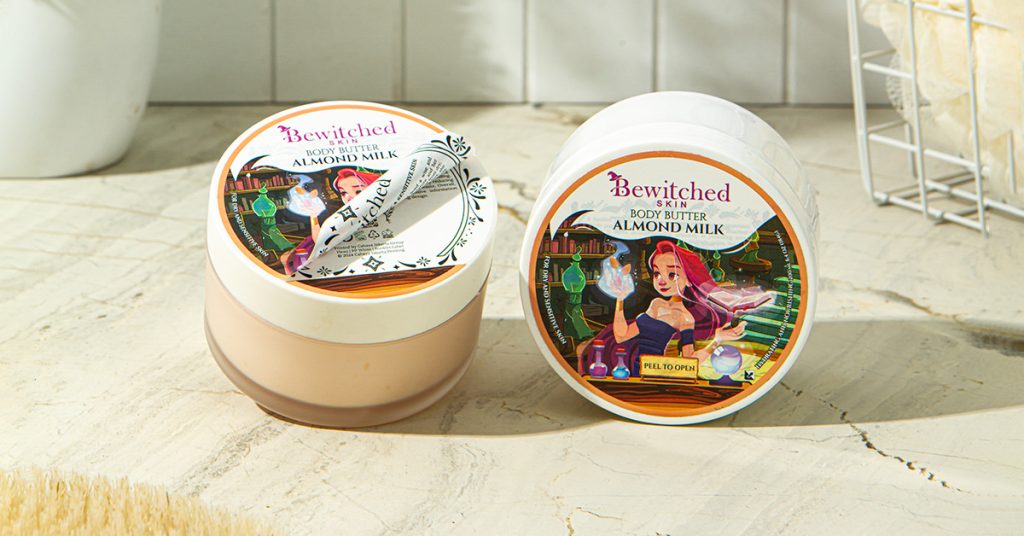
  • Industry-Specific Needs: Products like beverages, cosmetics, or industrial chemicals face moisture and temperature changes. For specialized needs, some brands utilize a label booklet to provide comprehensive information without sacrificing design space.
  • Compliance Risks: In food or pharmaceuticals, if a label deteriorates, essential information like ingredients or expiration dates may be lost.

Solution: Analyze how the product will be stored, transported, and used. Choosing materials that are waterproof, heat-resistant, or abrasion-resistant as needed will help ensure the label remains intact.

2. Focusing Only on Price

While budget considerations are important, choosing the cheapest option often leads to long-term problems. Low-cost label materials usually lack durability and resistance to environmental factors.

  • Brand Perception: Customers often associate poor label quality with poor product quality. To enhance shelf appeal and perceive higher value, some brands are now exploring label printing innovation with 3D effects.
  • Security Risks: Cheaper materials are easier to replicate. Brands looking to prevent forgery should consider anti-counterfeit printing technologies such as VDP or invisible ink.
  • Hidden Costs: Replacing damaged labels or dealing with customer complaints can result in higher overall costs than investing in quality materials from the start.

Comparison of Material Investment:

Low-Cost LabelsQuality Label Materials
High risk of peeling/fadingLong-term durability
Negative brand impactProfessional brand image
Potential relabeling costsReduced waste and disruption

3. Not Matching Material with Printing Method

Not all label materials are compatible with every printing technique. Choosing the wrong combination can lead to:

Conclusion

Choosing the right label material requires more than simply selecting what looks good or costs the least. By evaluating environmental conditions, balancing cost with durability, and ensuring compatibility between materials and printing techniques, businesses can make smarter choices.

Consultation & Support

For those looking to explore suitable label and printing solutions based on specific product needs, Cahaya Jakarta Printing is available for further consultation:

Label Booklet: A Comprehensive Information Solution for Modern Product Packaging

In today’s modern business landscape, packaging no longer serves solely as product protection; it has evolved into a vital communication medium between brands and consumers. Through packaging, consumers obtain essential information such as product composition, usage instructions, and applicable regulations.

However, one of the most common challenges faced by brands is limited label space. The more information that must be displayed, the harder it becomes to maintain a clean, readable, and visually appealing design. Label booklets emerge as an innovative solution to overcome space limitations on product labels. This type of label allows packaging to accommodate extensive information without compromising aesthetics or readability.

What Is a Label Booklet?

A label booklet is a specialized label featuring folds or multiple mini pages attached to a product’s packaging. Unlike conventional single-layer labels, label booklets can be opened like a small book, providing significantly more space for information.

Typically, the outer layer displays the brand identity and main design, while the inner pages contain additional details. This innovation is highly effective for products that require in-depth descriptions or extended usage instructions. When selecting the right attachment method, it is important to understand technical details such as those found in Understanding 2 Types of Label Adhesives: Permanent and Removable.

Functions and Benefits of Label Booklets

The use of label booklets continues to grow due to the many advantages they offer, including:

  • Additional space for information: Products that require detailed explanations, such as pharmaceuticals and cosmetics, can include comprehensive information without sacrificing the quality of the primary design.
  • Effective for regulatory compliance and multilingual content: Label booklets make it possible to include multiple languages and regulatory details without overcrowding the design.
  • Enhanced credibility and transparency: Consumers tend to trust products that provide clear and transparent information. To protect your brand further, you may consider 3 Anti-counterfeit Printing Technologies to Protect Your Brand: VDP, Microtext, Invisible Ink.
  • Added value for branding: Creative designs on each page can reinforce visual identity and offer a unique, engaging experience when consumers interact with the packaging.

Tips for Designing an Effective Label Booklet

To ensure optimal performance, label booklet design should be carefully planned. Consider the following best practices:

  1. Use a simple layout: Lengthy information remains easy to understand when arranged in a clean, structured layout.
  2. Choose legible fonts: Avoid overly small or decorative fonts. Use clear typefaces with proportional sizing.
  3. Pay attention to folds: Ensure that folds or bindings do not obscure important information.
  4. Use high-quality materials: Since label booklets are frequently opened and closed, durable materials are essential to prevent damage.
  5. Add premium finishing: Finishing options such as Varnish, Foil Stamping, or Embossing & Debossing enhance durability while delivering a premium look and feel.

Label Booklet Trends in Modern Packaging

As regulatory standards increase and the demand for detailed product information grows, label booklets continue to gain relevance. Key trends include:

  • Rising demand driven by regulations: Industries such as pharmaceuticals, food, and cosmetics are increasingly required to provide comprehensive information.
  • Brand storytelling: Label booklets are now widely used as storytelling media. Additional pages allow brands to share their journey and the story behind the product.
  • Digital technology integration: Modern label booklets are often combined with QR codes or augmented reality (AR) to provide access to digital content such as video tutorials or interactive promotions.

Conclusion

Label booklets are an effective solution to address the challenges of modern packaging that demands extensive information. Beyond their practical benefits, they strengthen branding and deliver a distinctive consumer experience. With precise design and professional finishing, label booklets become a key element in building a modern, transparent, and trustworthy product image.

Interested in creating high-quality label booklets with precision design for your products? Consult your labeling needs with Cahaya Jakarta Printing or Cahaya Jakarta Packaging through:

  • WhatsApp: https://wa.me/62811949769
  • Email: marketing@cahayajakarta.com
 

Understanding 2 Types of Label Adhesives: Permanent and Removable

In the packaging industry, attention is often focused on visual design, colors, and typography. However, there is one important element that is frequently overlooked: label adhesive. The adhesive determines whether the label sticks firmly for the long term or can be easily removed when needed.

Choosing the right adhesive directly affects the function, durability, and usability of a label. Without the right choice, even the most attractive design can lose its value. Generally, adhesives used for pressure sensitive label products fall into two main categories: permanent and removable.

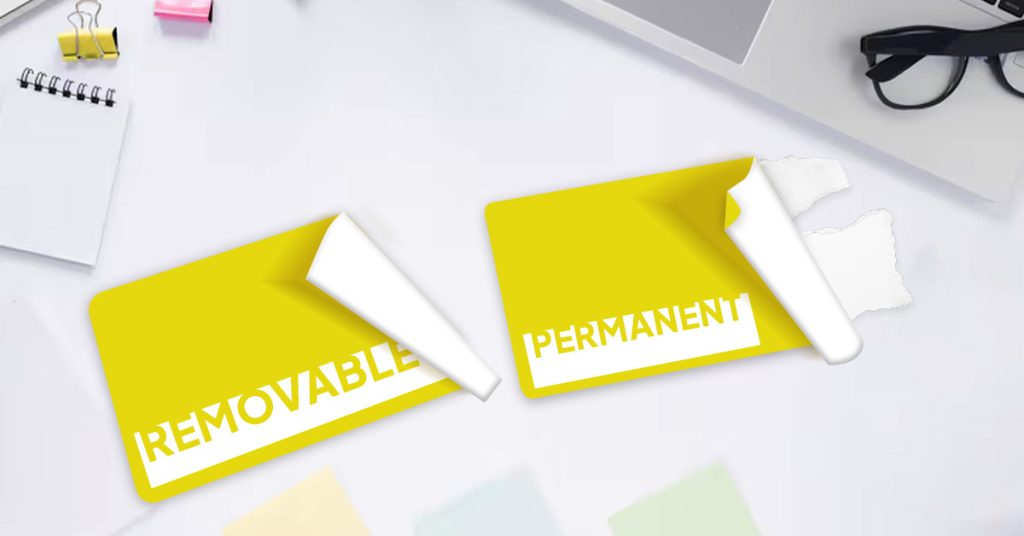
1. Permanent Adhesives

Permanent adhesive is designed to stick firmly and is intentionally difficult to remove. Once applied, the label adheres tightly; attempting to detach it often results in damage to the label or the underlying surface.

Characteristics

AdvantagesDisadvantages
Strong and long-lasting adhesionDifficult to remove without leaving residue
Resistant to peeling and frictionMay damage sensitive materials
Ideal for permanent identificationNot flexible for temporary applications

For products requiring extreme durability where the label becomes part of the plastic packaging itself, you might also consider in-mold label solutions which eliminate the need for traditional adhesives.

Common Applications

  • Labels on food and beverage packaging
  • Cosmetic labels that must remain intact for long periods
  • Pharmaceutical labels containing important product information

2. Removable Adhesives

Unlike permanent options, removable adhesives are engineered to be peeled off easily. This type is highly practical for temporary needs, allowing for removal or replacement without leaving any sticky residue behind.

Characteristics

AdvantagesDisadvantages
Easy to remove without surface damageLower adhesive strength over time
Leaves no sticky stains or residueNot suitable for extreme durability needs
Perfect for seasonal or promotional useProne to peeling if exposed to friction

Common Applications

  • Price labels on retail products
  • Temporary promotional labels used for a specific period
  • Resealable packs such as wet wipes or disinfecting wipes

Tips for Choosing the Right Adhesive

Selecting the right adhesive should be a strategic decision. Consider these three factors before printing:

  1. Usage Requirements: Determine whether the label is for long-term branding or a short-term price tag.
  2. Surface Type: Glass, plastic, cardboard, and metal all react differently. Match the glue type to the specific material.
  3. Environmental Factors: Consider if the product will be exposed to extreme temperatures or humidity. If your product has a complex shape and requires a 360-degree design without adhesive constraints, a shrink sleeve could be the ideal alternative.

Understanding the difference between permanent and removable adhesive is essential. Permanent adhesive provides security and longevity, while removable adhesive offers flexibility and a clean finish for temporary needs.

Partner with the Experts

Cahaya Jakarta Printing is your trusted partner for providing high-quality labels with adhesives tailored to your specific business needs. We ensure your labels are not only visually stunning but also functionally perfect.

Consult your labeling needs with us:

3 Anti-Counterfeit Printing Technologies to Protect Your Brand: VDP, Microtext, & Invisible Ink

Product counterfeiting has become a serious threat across various sectors, from food and beverages, cosmetics, and pharmaceuticals. The impact goes beyond financial losses, it also poses risks to consumers and undermines market trust in a brand. Many cases show that counterfeiting leads to a significant drop in sales, disrupts distribution channels, and ultimately damages brand reputation in the eyes of the public.

To address this challenge, industry needs an effective protection strategy. One of the best solutions is implementing security printing or anti-counterfeiting printing technology that makes it difficult for counterfeiters to duplicate products.

3 Key Elements of Anti-Counterfeit Technologies 

1. Variable Data Printing (VDP)

Variable Data Printing (VDP) is a printing technology that allows each label to have unique information, such as a QR Code, serial number, or batch code. This data can be changed on each print without interrupting the production process, giving each package its own distinct identity.

Advantages of VDP:

  • Simplifies product tracking across the entire distribution chain.
  • Provides instant, verifiable proof of authenticity.
  • Reduces the risk of counterfeit products circulating in the market.

Examples of application:

  • QR Codes that link to a product authenticity verification page.
  • Serial numbers recorded only in the manufacturer’s official database.
  • Batch codes for tracking distribution and production.

With VDP, both consumers and distributors can easily verify product authenticity simply by scanning a code or checking the printed serial number.

2. Microtext

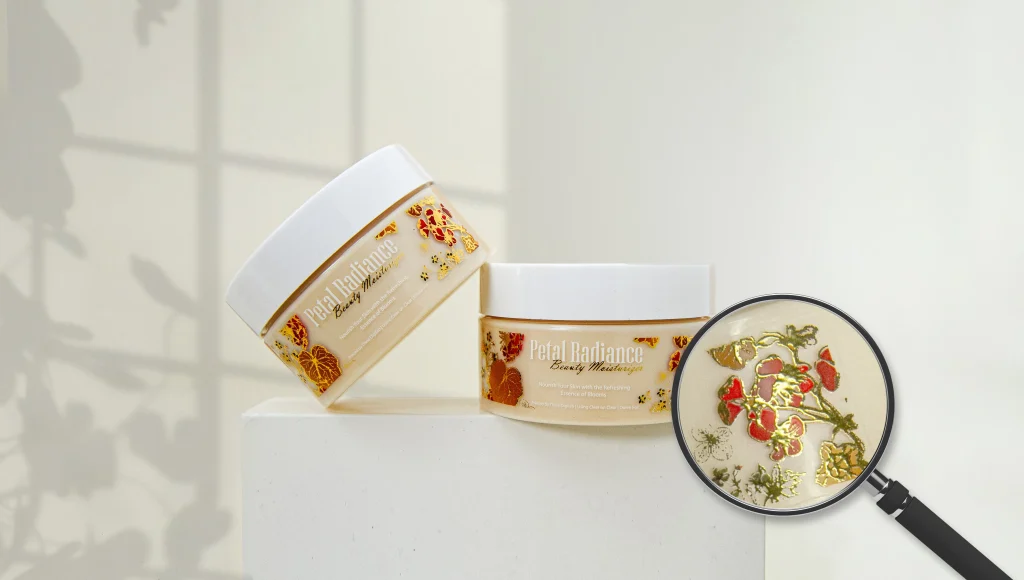
Microtext refers to extremely small text that cannot be seen with the naked eye, but can only be read using a magnifying glass or microscope. This security feature is often hidden within the design of a label or packaging.

Main functions of microtext:

  • Serves as a security feature that is difficult for counterfeiters to detect.
  • Provides an additional, discreet layer of protection.

Examples of application:

  • Hidden mini text in the logo section.
  • Micro-sized lettering along the edge of the label.

Microtext technology is commonly used on official documents, banknotes, and security labels for premium products. Due to its extremely small size, reproducing it without specialized equipment is nearly impossible.

3. Invisible Ink

Invisible ink is a special type of ink that cannot be seen with the naked eye but becomes visible under UV light or specific detection tools. This technology is commonly applied to high-value items and premium products.

Advantages of invisible ink:

  • Does not interfere with the main visual design of the packaging
  • Provides an authentication mark that can only be checked by authorized parties.

Examples of application:

  • Hidden logos or symbols that appear under UV light.
  • Identification numbers that can only be read using special devices at factories or distribution warehouses.

With invisible ink, counterfeiters face great difficulty replicating products since it requires specialized ink and detection technology that is not easily accessible.

Benefits of Combining Anti-Counterfeit Printing Technologies

Using one security feature helps protect your brand. Combining VDP, microtext, and invisible ink creates a stronger multi-layered security system. This strategy makes your products difficult to copy.

Multi-Layered Security and Dual Protection

Integrating digital tools like VDP with physical features like microtext creates high barriers for counterfeiters. You can apply these features to a pressure sensitive label for rigid containers or a shrink label that wraps around a bottle. Adding invisible ink provides a hidden verification layer without changing your visual design. These combined methods ensure your packaging remains secure and authentic.

Enhanced Market Trust and Brand Authority

Consumers feel safe when they see clear security details. Premium techniques like foil stamping or embossing or debossing add aesthetic value and serve as physical security markers. When customers feel a raised texture or see a precise metallic shine, their confidence in your product quality grows. High-quality finishes signal that your brand invests in genuine protection.

Fast and Accurate Field Verification

Distributors and retailers must identify authentic products quickly. Using precise screen printing ensures microtext remains sharp and readable under magnification. Special varnishes provide extra authentication marks and protect the label from wear during shipping. This system allows your team to verify authenticity at warehouses or retail shelves efficiently.

Integration with Modern Packaging Materials

Anti-counterfeit technology works with many modern packaging methods. You can embed security features directly into plastic during production using an in-mould label. Additionally, a custom die cut creates unique label shapes that are hard for criminals to find or replicate. Complex shapes combined with unique data ensure every unit stays protected.

Lower Risk of Financial Loss

Counterfeiting drops sales and damages your long-term reputation. Detecting fakes early through layered security prevents illegal goods from reaching the wider market. Investing in combined printing technology costs less than the potential losses from fake product claims or lost consumer trust.

With a complementary security system in place, the chances of counterfeiters replicating products becomes extremely low, nearly impossible without significant technological investment.

Every product faces a different level of counterfeiting risk, depending on its market exposure, distribution scale, and brand value. At Cahaya Jakarta Printing, we understand that there is no one-size-fits-all solution when it comes to security.

Our team is ready to work closely with you to assess your product’s specific characteristics and risk profile, then recommend a tailored combination of security printing technologies. By aligning the right materials, printing methods, and finishing techniques, we help ensure your labels and packaging provide effective protection while maintaining brand consistency and visual quality.

Interested in optimizing product protection with the latest security printing innovations? Consult your anti-counterfeit label needs with Cahaya Jakarta Printing through:

WhatsApp https://wa.me/62811949769
Email: marketing@cahayajakarta.com
Label Printing Innovation with 3D Effect

The packaging industry continues to grow rapidly, introducing new trends that combine aesthetic with cutting-edge technology. One of the most in-demand innovations today is 3D label printing. These technologies not only enhance the visual appeal of packaging but also add significant value in terms of product security.

Many brands choose 3D effects because they create a modern, exclusive, and luxurious impression. In a highly competitive market, standout packaging is a key factor in attracting consumer attention while also strengthening product image.

What Is a 3D Label?

3D labels feature embossed textures and visual depth, creating the illusion of real dimensions. 

This effect is achieved through specialized techniques such as:

  • Embossing: A printing technique that raises the surface of the label upward. Commonly used to highlight logos, brand names, or specific design elements, giving them an elegant look and tactile feel.
  • Debossing: The opposite of embossing, where the label surface is pressed downward to create an indented effect.
  • Screen Varnish: A special varnish layer applied using screen printing techniques, producing a raised and glossy surface.
  • Dome Foil: A combination of screen varnish with a foil layer. The result is a raised, shiny effect enhanced by metallic foil (gold or silver).
  • White Screen: A technique using special white ink applied thickly through screen printing on transparent material.

Benefits of Using 3D Effects

Before deciding to use this technology, it’s important to understand the advantages it offers. 3D effects are not merely visual elements but also provide strategic value for brands. Here are some of the key benefits:

  • High Visual Appeal
    Products with 3D labels are more eye-catching on store shelves. The textures and dimensional effects create a unique look that draws attention.
  • Enhanced Brand Image
    3D labels deliver a premium and exclusive feel, strengthening brand perception in the eyes of consumers.
  • Design Personalization
    This technology is versatile and flexible for various design concepts, making it suitable for use across multiple industries.
  • Strong Consumer Impression
    The striking 3D visual effects makes products more memorable, increasing the chances of repeat purchase.

Applications Across Various Industries

3D label technology is highly flexible, making it suitable for multiple sectors. Each industry applies it differently based on its specific needs and product characteristics. Here are some common examples:

  • Premium Food & Beverages
    Wine bottles, alcoholic drinks, and specialty coffee often utilize 3D labels to emphasize exclusivity.
  • Cosmetics & Skincare
    Products such as face serums, perfumes, and creams frequently incorporate 3D effects on their packaging to highlight a luxurious image and differentiate products from competitors.
  • Gift & Souvenir Products
    3D labels are ideal for gift sets, hampers, or exclusive merchandise because they add an elegant and high-value touch.

Tips for Maximizing 3D Label Design

To achieve the best results with 3D labels, proper design planning is essential. Here are some tips to ensure the best results: 

  • Use the Right Color Contrast
    High-contrast colors enhance the embossed effect, making the design look more vivid and noticeable.
  • Apply Effects Selectively
    Focus 3D effects on key elements such as the logo or brand name to highlight brand identity without disrupting the overall appearance. 
  • Ensure Information Remains Clear
    Composition, product variants, or important information must remain legible even with special effects applied.

3D label printing is an innovation that combines design aesthetics with strong branding. Its visual impact helps elevate brand image, make products stand out in the marketplace, and leave a lasting impression on consumers.

Through Cahaya Jakarta as a label printing service, high-quality 3D label solutions are available to ensure every package looks more exclusive, captivating, durable, and reflects the best quality according to industry needs.

For brands seeking versatile label solutions, pressure sensitive labels remain a popular choice due to easy application, strong adhesion, and compatibility with 3D effects.

Products with curved or flexible packaging often combine 3D effects with shrink sleeve labels to achieve full-body coverage while maintaining strong visual impact.

In industries requiring high durability, 3D effects are also applied on in-mold labels, creating seamless integration between packaging and label with long-lasting results.

Explore a wide range of completed label projects with premium finishes and dimensional effects in the Cahaya Jakarta portfolio for real production references.

Interested in developing labels with stunning 3D effects? Consult your needs with Cahaya Jakarta through:

WhatsApp https://wa.me/62811949769 
Email: marketing@cahayajakarta.com
The Role of Color and Font in Product Label Design

In today’s competitive marketplace, product label design plays a vital role in capturing consumer attention on crowded shelves. A well-crafted label not only communicates essential product information but also shapes consumer perceptions of quality, style, and brand personality.

Among the many visual elements in label design, two stand out as the most influential: color and font. Together, they form the foundation of a strong brand identity, influence purchasing decisions, and help products stand out in the market.

The Role of Color in Product Label Design

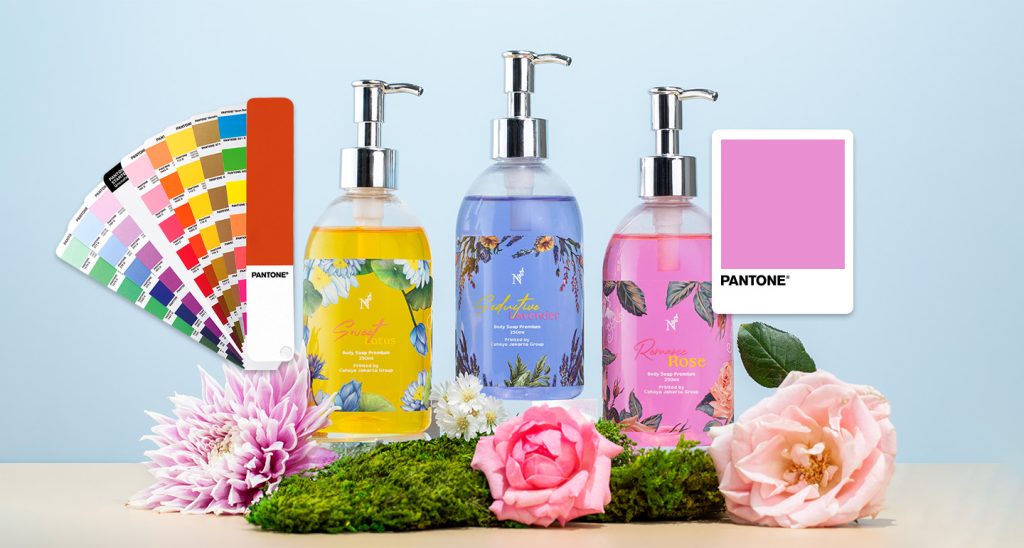
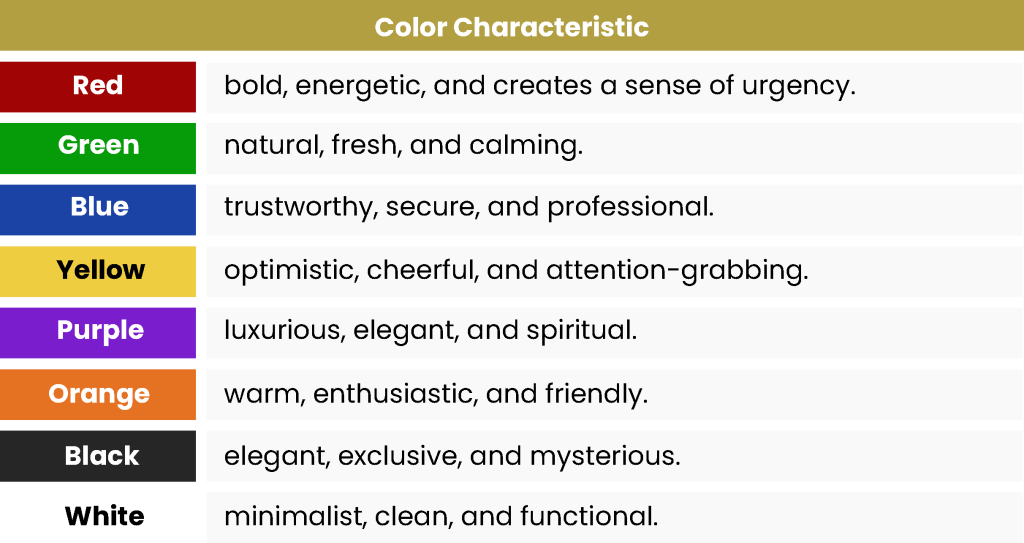
1. Color Psychology in Label Design

Color psychology is a powerful tool for influencing consumer emotions and behavior. Each color evokes different feelings and associations:

By applying color psychology in product label design, brands can choose a palette that resonates with their target audience while reinforcing brand values.

2. Color and Brand Identity

Consistency in color usage is critical for brand recognition. Iconic brands like Coca-Cola with its vibrant red or Starbucks with its signature green demonstrate how color strengthens consumer recall. In label design, a consistent color palette helps products stand out and remain memorable in competitive retail environments.

3. Effective Color Combinations

The right color pairing enhances both readability and aesthetic appeal:

  • High contrast improves text clarity, making important product information easy to read.
  • Harmonious colors create an attractive, cohesive visual experience.

The Role of Fonts in Product Label Design

1. Typography Psychology

In product label design, typography plays an important role because font selection shapes the first impression consumers form about a product. Classic fonts such as Times New Roman or Garamond are often considered elegant and classy, while modern fonts such as Helvetica convey a clean and professional look. This shows that typography is not merely a visual element but also a medium that conveys brand identity and product character.

Beyond the style of the font itself, other factors such as size, weight, and spacing significantly affect readability and overall visual comfort. With the right typography, labels can be both informative and emotionally engaging, building trust and encouraging consumer interest.

2. Readability and Informational Function

Clarity is a priority in label typography. A readable font ensures that consumers can quickly access important details. Implementing a text hierarchy—such as distinct font sizes for the product name, description, and supplementary details like ingredients or expiration dates—improves both usability and aesthetics.

3. Fonts and Product Personality

The right font reinforces brand personality. Products with a premium positioning often use refined typography to highlight exclusivity, while products targeting a younger or more dynamic market tend to prefer styles that feel strong and modern. Aligning typography with product identity helps strengthen brand storytelling and build a deeper connection with consumers.

Combining Colors and Fonts for Maximum Impact

Strategic integration of colors and fonts ensures a strong, cohesive product label design. For instance, a wellness brand might use soft green tones paired with a clean sans-serif typeface to communicate natural, healthy, and modern values.

Common Mistakes to Avoid in Product Label Design:

  • Low-contrast combinations that reduce text readability
    Poor contrast makes text difficult to read, especially on small labels. Important information may be overlooked and reduce visual appeal.
  • Using too many font styles, making the design look cluttered
    Using more than two or three font types makes the label lose consistency. Instead of looking creative, the label risks appearing unprofessional and confusing.
  • Choosing colors that conflict with the brand’s identity
    Inconsistent colors undermine brand identity, making it harder for consumers to recognize and differentiate the product.

Practical Tips for Label Designers:

  • Stick to a brand-consistent color palette

Consistency strengthens brand identity and makes it easier for consumers to recognize the product on a crowded shelf.

  • Limit font usage to a maximum of two types
    Combining different fonts can clarify text hierarchy, but too many can be distracting. Use two complementary font types.
  • Ensure readability remains optimal at small print sizes
    Labels are often printed in compact sizes. Always test by printing a sample at the actual size to make sure text stays legible and visual details remain clear.

An effective product label design is more than just visually appealing—it’s a strategic tool that blends color psychology and font selection to communicate brand identity, influence purchase decisions, and leave a lasting impression.

By combining well-chosen colors with the right typography, brands can create labels that not only attract attention but also enhance trust and recognition. When executed thoughtfully, these visual elements give products a competitive edge in today’s crowded marketplace.

Ready to improve your product labels with the right color and typography?

Let’s shape your label with a clear color palette, smart font pairing, and strong readability so your product stands out and stays consistent with your brand. You can also explore our label design consultation, packaging material sourcing, digital label printing, and labeling services for production support.

We also provide pressure-sensitive labels, shrink sleeves, and in-mould labels, plus a wide range of embellishments like foil stamping, spot UV, embossing, debossing, and textured finishes to match your product positioning.

Heeren: A Tribute to Heritage in Premium Whisky Label Design

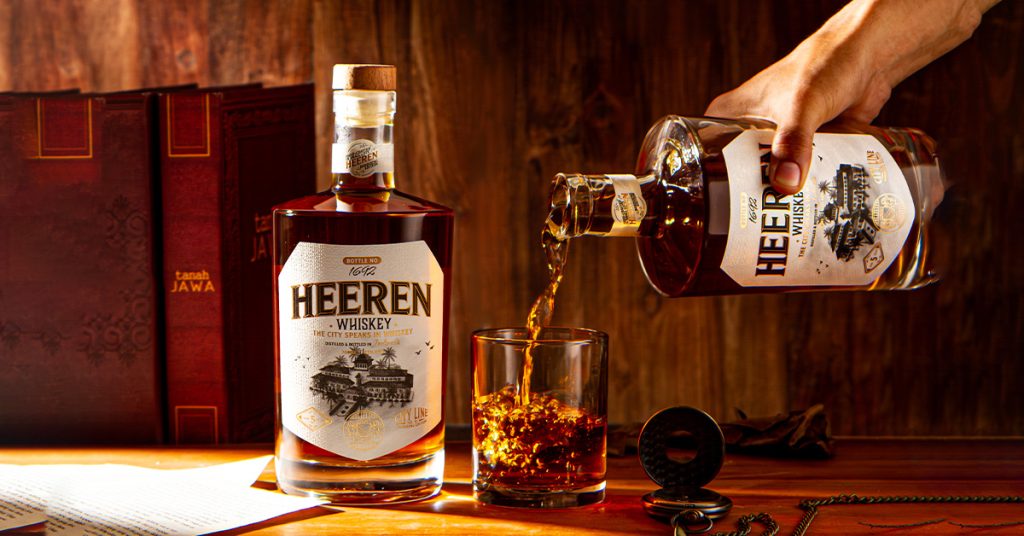
Every masterpiece begins with a story worth telling. This month, that story continues with Heeren — the second creation in Cahaya Jakarta Group’s 2025 Label Innovation Project. Designed to honor history while embracing modern craftsmanship, Heeren is more than a label — it is an ode to legacy, elegance, and timeless artistry.

Inspired by the colonial era and built around the theme “Pride of Heritage,” Heeren captures the soul of premium whisky branding through a deeply rooted cultural narrative. Its name, derived from Dutch and meaning “nobleman,” reflects a sense of classic luxury — a perfect mirror to the distinguished character of world-class spirits.

At the heart of Heeren’s identity lies a hand-drawn illustration of the iconic Gedung Sate, a symbol of Bandung’s rich historical tapestry. This personal, artisanal touch forms the emotional anchor of the design, bringing authenticity and craftsmanship into every stroke. The crest, inspired by Bandung’s old emblem, reinforces its heritage-driven visual language — grounding the label in both prestige and cultural depth.

Heeren is the meeting point between vintage charm and modern refinement. Through the interplay of hotstamp gold and precise embossing, the label invites both visual admiration and tactile engagement. It is a design meant to be seen, felt, and remembered.

The Story Behind the Design

Heeren’s aesthetic is anchored in the harmony between history and luxury. The textured surface of Rustique Blanc — a natural, tactile substrate reminiscent of vintage paper stock — sets the foundation for its classic appeal. This material choice reflects the timeless qualities of handcrafted labels from the past, making the design feel warm, intentional, and deeply human.

The hand-drawn Gedung Sate illustration becomes the soul of the piece, evoking a sense of place, culture, and identity. Paired with a noble crest inspired by early-era Bandung iconography, Heeren proudly carries the heritage narrative into the modern world.

The gold accents tell another part of the story — one of prestige, elegance, and understated opulence. The Hotstamp Gold shines with a subtle brilliance, while the Emboss adds dimensionality, depth, and texture, ensuring Heeren feels as premium as the whisky it represents.

Technical Excellence

Heeren is produced with the highest attention to detail, ensuring quality that matches its luxurious concept.

Type: Pressure Sensitive Label (PSL)

Substrate: Rustique Blanc — a premium textured paper with a natural, handcrafted feel

Printing: Digital Printing — enabling precise details and rich tonal execution

Finishing:

  1. Hotstamp Gold for luminous metallic highlight.
  2. Emboss for depth and tactile sophistication

Each component was chosen to elevate the storytelling and intensify the premium experience.

What Makes Heeren Special?

1. A Celebration of Craftsmanship

Heeren stands out with a label built on artistry — from the hand-drawn landmark to the textured substrate that enhances its vintage identity.

2. Rich Tactile Experience

The combination of Hotstamp Gold and Emboss brings dimension and elegance, transforming the label into a sensory encounter.

3. Authentic Heritage Expression

The design balances the dignity of historical references with the polish of modern techniques, making Heeren both meaningful and luxurious.

Heeren is more than a decorative element — it is a brand statement for those who believe premium whisky deserves a narrative as rich as its flavor. With its blend of heritage, craftsmanship, and modern finishings, Heeren stands as a testament to the beauty of honoring the past while designing for the future.

Ready to Elevate Your Brand with Heritage-Driven Premium Labels?

Let’s bring your vision to life with innovative designs, refined materials, and craftsmanship that speaks to your brand’s unique story.

Driving a Greener Future: Cahaya Jakarta’s Step Toward Sustainable Labeling with PE75

Orava

Driving a Greener Future: Cahaya Jakarta’s Step Toward Sustainable Labeling with PE75

Orava

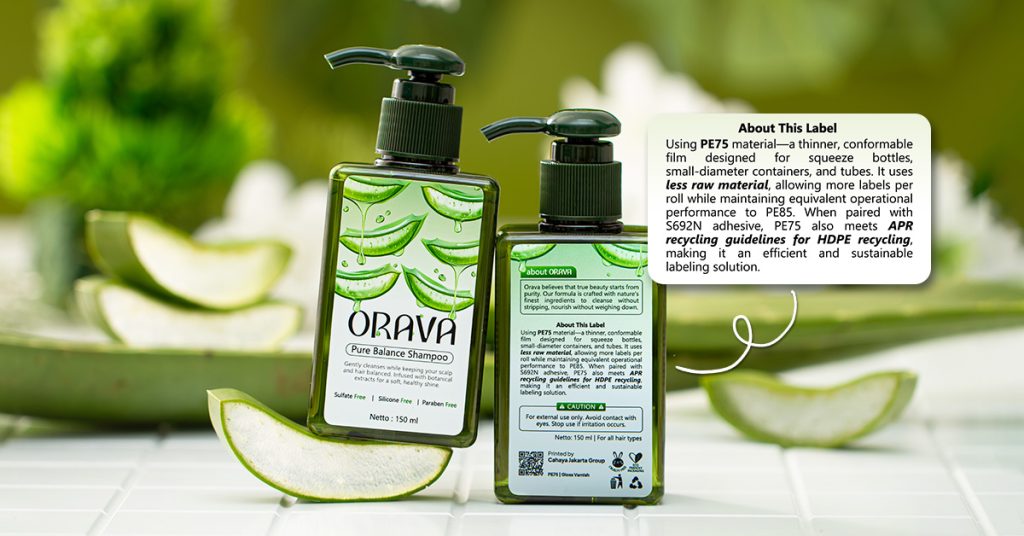
In today’s fast-evolving packaging industry, sustainability is no longer just an option — it’s a responsibility. As one of Indonesia’s leading label printing companies, Cahaya Jakarta continues to innovate and adapt, aligning its operations with global environmental standards. The company’s recent adoption of PE75, a next-generation film material, marks a significant step toward reducing environmental impact while maintaining the exceptional quality Cahaya Jakarta is known for.

Less Plastic, More Impact

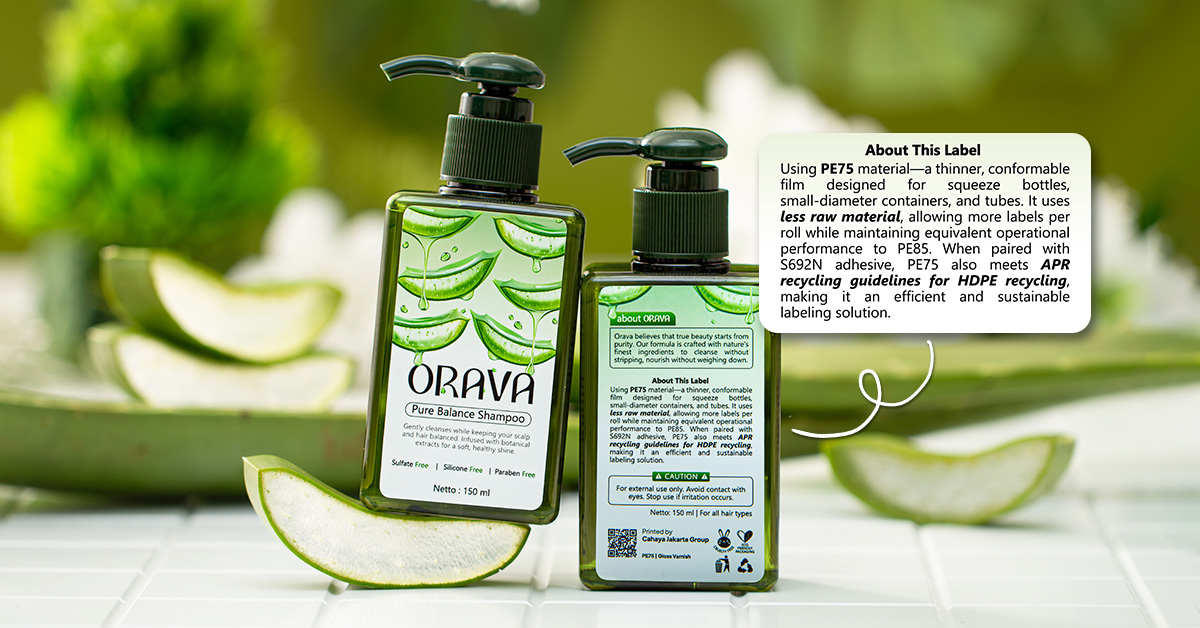
The introduction of PE75 reflects Cahaya Jakarta’s ongoing commitment to sustainability through material innovation. Compared to traditional film substrates, PE75 is a thinner, conformable film specifically designed for squeeze bottles, small-diameter containers, and tubes. Its advanced structure allows the same high performance as thicker materials, while requiring less raw plastic during production. This results in not only lower material consumption but also more labels per roll, optimizing logistics and reducing waste throughout the supply chain.

By choosing a thinner yet durable material, Cahaya Jakarta is taking a meaningful step toward minimizing resource usage without compromising efficiency or visual quality. For brands, this means achieving the same premium appearance and durability — while contributing to a more responsible packaging ecosystem.

Supporting a Circular Economy

Sustainability doesn’t stop at material reduction. True environmental responsibility lies in enabling recyclability and circularity — and PE75 plays a vital role in this mission. When paired with S692N adhesive, the film meets the Association of Plastic Recyclers (APR) guidelines for HDPE recycling. This ensures that labeled HDPE containers can be effectively processed and repurposed, rather than ending up as waste.

This compliance not only benefits recycling systems but also supports brand owners in achieving their own sustainability and Extended Producer Responsibility (EPR) targets. In practical terms, products labeled with PE75 and S692N can enter the recycling stream seamlessly, promoting a circular life cycle for plastic packaging — from design to reuse.

Equal Performance, Elevated Responsibility

One of the most impressive aspects of PE75 is that its operational performance is equivalent to PE85, a commonly used standard film. This means customers can transition to PE75 with confidence, knowing that print quality, application speed, and durability remain uncompromised. The film’s conformability ensures it adheres perfectly even to complex shapes, maintaining the visual and functional integrity of each label.

For Cahaya Jakarta’s clients, this offers a powerful dual benefit: maintaining brand excellence while actively participating in environmental stewardship. It’s a practical and immediate way to make sustainability part of everyday production — not as a marketing promise, but as a tangible action.

A Step Toward a Sustainable Future

Cahaya Jakarta’s adoption of PE75 is part of a larger vision: building a future where innovation and responsibility go hand in hand. By continuously evaluating materials, production methods, and partnerships, the company aims to reduce environmental impact across every stage of its value chain.

From sourcing eco-friendly materials to optimizing production efficiency and waste management, Cahaya Jakarta believes that even small steps can create lasting change. The move toward thinner, recyclable label materials like PE75 demonstrates how technological progress can align with sustainability, enabling brands to lead by example in protecting our planet.

Conclusion

Sustainability is not achieved overnight — it’s built through consistent choices that prioritize the environment without sacrificing quality. With PE75, Cahaya Jakarta is proving that innovation and sustainability can coexist, setting a new standard in the label printing industry.

As the company continues to evolve, one principle remains clear: a label may be small, but its impact on the environment can be significant. Through thoughtful innovation, Cahaya Jakarta reaffirms its dedication to creating not just beautiful labels — but a better, greener future for all. 

Check Other Blog

The Function and Importance of Labels for Brands Labels are an important element in marketing strategies to define the identity of a product. Not

Enhancing Your Products though Embossed Label In the world of product branding, first impressions matter—and one powerful way to elevate your product’s shelf presence

Minimalist Label Design & Alternative Styles to Elevate Your Packaging

Minimalist Label Design & Alternative Styles to Elevate Your Packaging

In the marketing thing, a label is more than just an identity marker. Its primary role is to attract consumer attention and visually convey key product information. The right label design can create a strong first impression and influence purchasing decisions within seconds. There are  two major approaches commonly used in label creation; minimalist and maximalist design. Each has its own characteristics and effectiveness, depending on the context in which it’s applied.

In today’s fast-paced market, visual appeal plays a major role in influencing consumer decisions. One of the most prominent trends right now is minimalist design. This style is favored for its clean look, clarity, and simplicity. For many brands, a minimalist approach delivers a modern, premium, and professional impression.

However, that doesn’t mean every product should follow the same path. Each brand has its own character and audience. For those with a more expressive or energetic identity—or for products that need to stand out on store shelves—maximalist design may be the better choice. Understanding this distinction is essential before deciding on the right visual direction for packaging.f

What is Minimalist Label Design?

Minimalist label design emphasizes simplicity. Its main features include the use of limited elements, generous white space, and clean, easy-to-read typography. The colors used are generally neutral—such as black, white, or soft pastel palettes. The main focus of this design approach is functionality and clarity in delivering messages without excessive visual distractions.

Advantages of Minimalist Design:

  • Easy to read and recognize: Simple elements make key information stand out without visual clutter.
  • Creates an exclusive and professional impression: This style is suitable for premium products, cosmetics, and modern lifestyle needs.
  • Resilient to design trends: Clean, timeless visuals are less likely to feel outdated.

Disadvantages of Minimalist Design:

  • Less conspicuous on store shelves: Among visually bold products, minimalist labels may get overlooked.
  • Risk of appearing too plain: Without proper execution, the design might feel flat or uninteresting.

While minimalist design offers many advantages, it doesn’t always suit every product or brand. Some brands require a stronger, bolder, and more expressive visual approach to reflect their identity and capture market attention in a different way. In such cases, maximalist design can be an effective alternative style. This style emphasizes bold and rich visual elements, allowing brands to communicate their personality through vibrant colors, illustrations, and detailed graphics. Ultimately, the best design approach depends on product positioning and the visual value the brand aims to build.

What is Maximalist Label Design?

In contrast to minimalism, maximalist design features a colorful style, rich in ornamentation, patterns, illustrations, and bold typography. This approach embraces contrast, texture, and complex details to tell a story and express brand personality directly through visuals.

Advantages of Maximalist Design:

  • Visually striking: Bold colors and busy visuals make products easily noticeable from a distance.
  • Effectively communicates brand character: Ideal for brands with a unique, creative identity that dares to stand out.
  • Great for energetic market segments: Such as products targeting younger audiences, snacks, or innovative beverages.

Disadvantages of Maximalist Design:

  • Potential for visual confusion: Too many elements may obscure key messages or important information.
  • Risk of overdesign: Without balance, the design may feel cluttered and less professional.

There’s no universally superior label design approach. Both minimalist and maximalist styles offer unique strengths and weaknesses. Choosing the right design depends on brand identity, product characteristics, and target market behaviour. With a well-aligned visual strategy, product labels can be a powerful communication tool to build appeal while increasing selling points.

Interested in developing a minimalist or maximalist label design? Consult your needs with Cahaya Jakarta Group through:

WhatsApp +62811949769  

Email: marketing@cahayajakarta.com
Check Other Blog

Exploring 3 Common Types of Labels: Advantages and Disadvantages Product labels are more than just name or price tags—they are key elements in building

Cahaya Jakarta continues to innovate for a greener future. With PE75, the company combines high performance with genuine environmental responsibility.

Kaswara: A New Standard of Luxury Wine Label Design

Kaswara: A New Standard of Luxury Wine Label Design

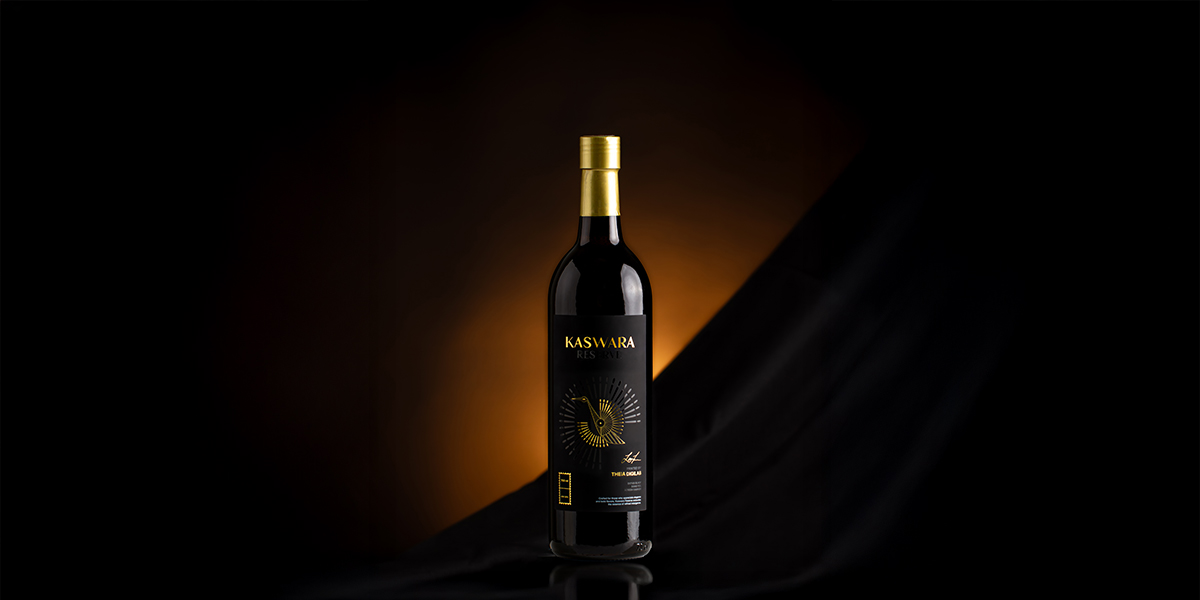
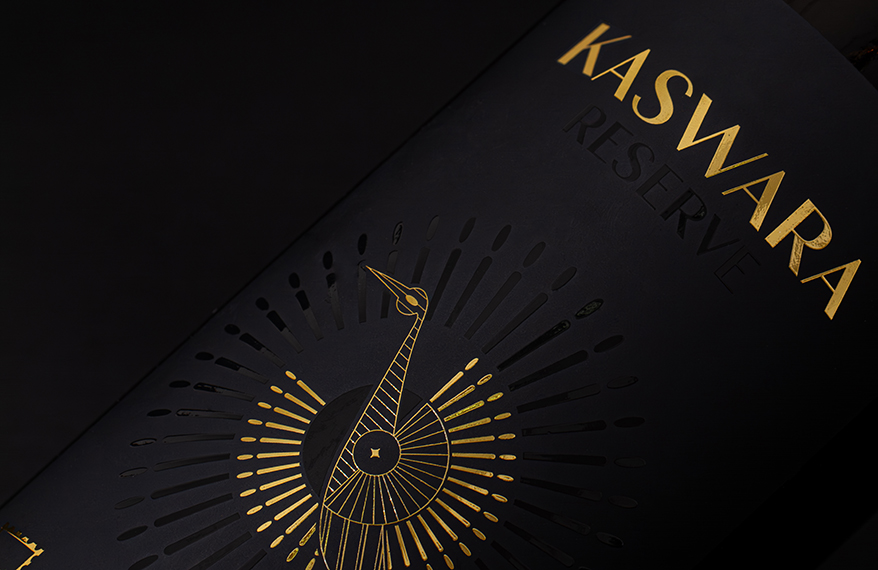
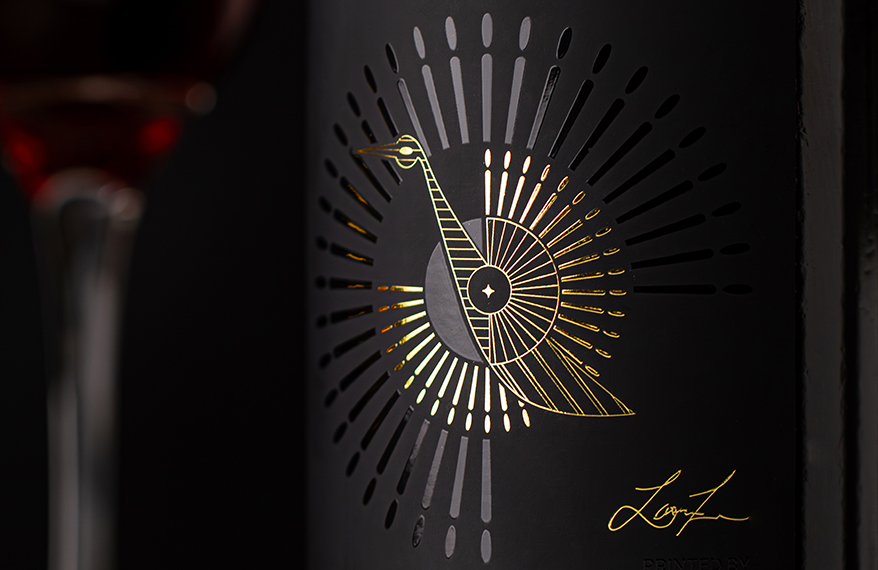
Every creation tells a story of innovation. This month, that story unfolds with Kaswara — a premium wine label born to redefine elegance and exclusivity. Proudly introduce Kaswara, a premium wine label that redefines elegance and exclusivity. Designed to elevate the art of wine branding, Kaswara embodies sophistication not only through its visual appeal but also through its refined tactile experience. The name Kaswara carries a profound meaning: “a wise person.” This essence of wisdom is brought to life through the emblem of a Golden Peacock — a timeless symbol of beauty, serenity, and grace. Just as the peacock’s feathers captivate the eye with their natural allure, Kaswara’s design is crafted to leave a striking first impression and a lasting memory. From its bold, deep-black foundation to the subtle yet radiant golden embellishments, Kaswara speaks the language of luxury. Every detail was intentionally designed to reflect the character of premium wine brands — sophisticated, distinctive, and unforgettable.

The Story Behind the Design Kaswara’s

Aesthetic begins with its color palette. The deep black background creates an immediate sense of prestige, a perfect canvas for gold highlights to shine. Black in premium branding has always symbolized exclusivity, mystery, and timelessness — and here, it serves as the stage upon which the Golden Peacock motif comes to life.
The gold dome foil captures light in a way that feels alive, shifting in tone with each movement. It’s complemented by screen varnish that not only enhances detail but also invites touch — creating a multi-sensory experience for the consumer. The result? A label that doesn’t just look premium, but feels premium.

Technical Excellence

Kaswara is produced as a Pressure Sensitive Label (PSL), ensuring ease of application and superior adhesion, crucial for maintaining its pristine appearance on wine bottles over time.

  • Substrate: Entice Black — a cutting-edge material recently introduced by PT Theia Digilab Indonesia. This substrate stands out with its soft-touch matte finish and deep, pure-black color, offering a velvety smooth texture that enhances the tactile experience.
  • Printing: Digital Printing — delivering precise detail and color consistency, ensuring the design is produced flawlessly.
  • Finishing: Dome Foil & Screen Varnish — adding dimensionality, visual richness, and an irresistible texture that draws the consumer’s hand.

What Makes Kaswara Special?

  • Premium Material: Entice Black provides unmatched depth of color and a luxurious soft-touch surface.
  • Tactile Dimension: Dome Foil and Screen Varnish elevate the design from flat to dynamic, appealing to both sight and touch.
  • Exclusive Character: The combination of deep black, gold accents, and intricate detailing ensures Kaswara stands apart on the shelf.

Kaswara is more than a label — it’s a brand statement for those who believe premium products deserve premium presentation. From its deep-black foundation to the shimmering golden highlights, every detail was crafted to tell a story of elegance, wisdom, and beauty. With Kaswara, we are not only elevating label design but also shaping the future of premium product branding.

Ready to Elevate Your Brand with Premium Label Innovation? Let’s bring your vision to life with designs and materials that speak luxury and sophistication.

Check Other Blog

Discover Why Cahaya Jakarta is the Trusted Partner for Label Printing Services Choosing the right partner for your label and packaging needs is a

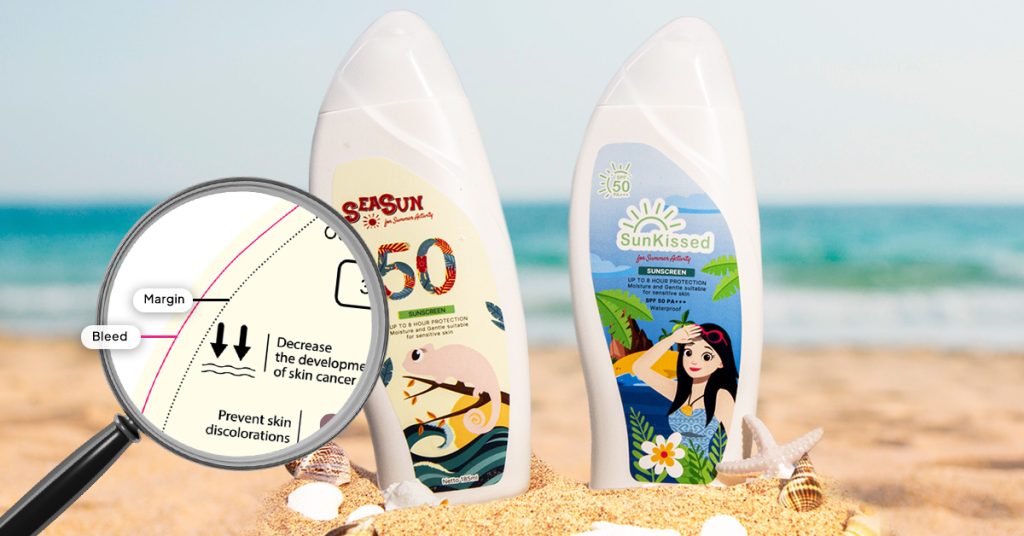
Bleed and Margin in Printing: Why Precision Matters In professional printing, small details can have a significant impact on the final result. Two technical