In many industries, packaging is often judged by its appearance. A well-designed label with vibrant colors and premium finishing can create a strong first impression and help products stand out on crowded shelves.
However, the true performance of a label extends far beyond the moment a product is displayed or purchased. Throughout its lifecycle, a label may be exposed to moisture, temperature changes, friction, sunlight, or various handling conditions that can affect both its appearance and functionality.
When a label begins to peel, fade, wrinkle, or become unreadable, the impact reaches beyond aesthetics. Product information may become difficult to identify, brand presentation can appear inconsistent, and customers may begin to question the quality of the product itself.
For this reason, label durability should be considered an essential part of packaging development. A durable label helps ensure that packaging continues to perform as intended—from production and distribution to the hands of the end customer.
Why Label Durability Matters Beyond Appearance
A label serves multiple purposes throughout a product’s lifecycle. Beyond attracting attention on the shelf, it communicates essential information, reinforces brand identity, and helps products remain recognizable from distribution to end use.
To perform these functions effectively, a label needs to remain readable, securely attached, and visually consistent throughout the product’s lifecycle.
For brands, durability is closely connected to consistency. Labels that remain intact help preserve a professional appearance while ensuring important information remains clearly visible. This consistency contributes to a better customer experience and reinforces perceptions of product quality throughout the product lifecycle.
As products move through increasingly complex supply chains, investing in label durability becomes an important part of protecting both product quality and brand reputation.
Common Conditions That Challenge Label Performance
Labels rarely remain in ideal conditions throughout their lifecycle. Depending on the product and industry, they may encounter a variety of environmental and operational challenges that influence how well they perform over time.
Understanding these conditions early in the packaging development process helps businesses select more suitable label solutions for their applications.
- Moisture and Water Exposure
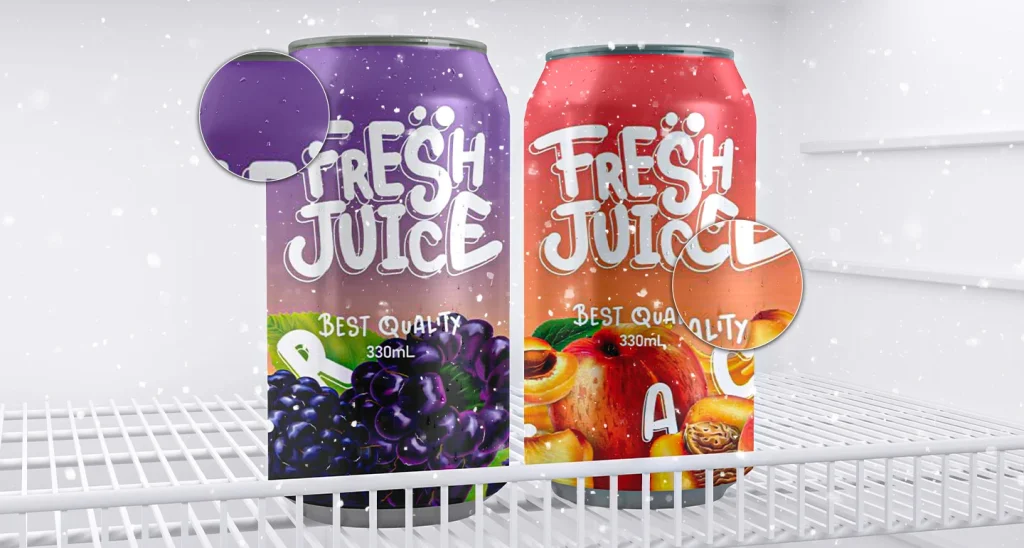
Products such as beverages, refrigerated foods, personal care items, and household cleaners are frequently exposed to moisture or condensation.
Without suitable materials and construction, labels may begin to lift, wrinkle, or lose their appearance after prolonged contact with water.
- Temperature Changes
Labels may also experience significant temperature fluctuations during storage, transportation, or end use.
From frozen products to items stored in warm warehouses or transported across different climates, temperature changes can affect how label materials and adhesives perform if they are not selected for those conditions.
- Frequent Handling and Friction
Many products are handled multiple times before reaching consumers. During packing, shipping, retail display, and everyday use, labels are exposed to continuous contact and abrasion.
Over time, frequent handling can cause printed graphics to wear, edges to lift, or surfaces to become scratched, reducing the overall appearance of the packaging.
- Exposure to Chemicals and Oils
Certain products including cosmetics, automotive products, industrial chemicals, and cleaning solutions may come into contact with oils, alcohol, solvents, or other substances during normal use.
These environments often require labels that can maintain both appearance and readability despite repeated exposure.
- Sunlight and UV Exposure
Some products may be exposed to prolonged sunlight during storage, transportation, or retail display.
Without suitable materials and printing solutions, extended UV exposure can gradually affect color appearance and reduce the overall visual quality of the label.
What Makes a Label More Durable?
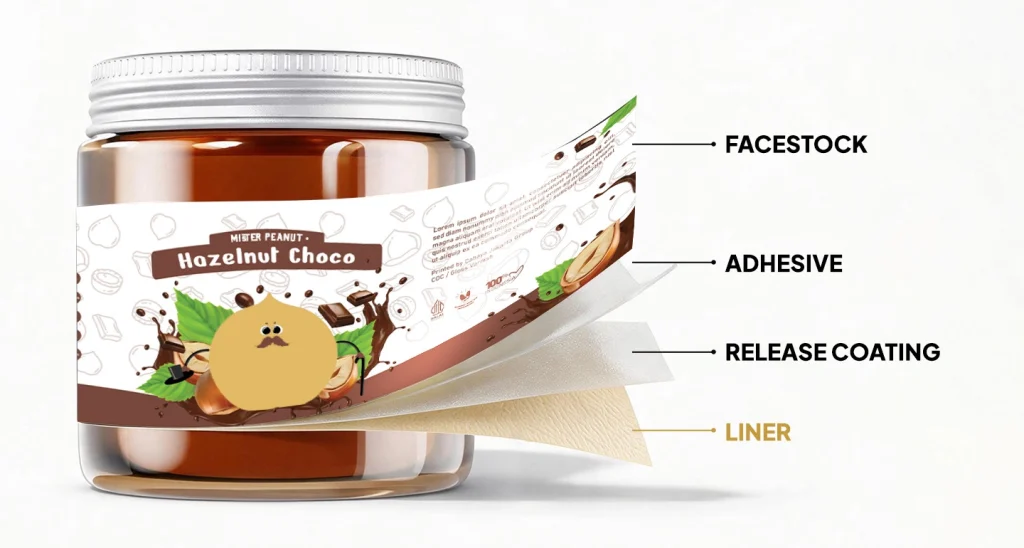
Durability is not determined by a single component. Instead, it results from selecting the right combination of materials, adhesives, finishing options, and production specifications based on how the product will actually be used.
Considering these factors during the early stages of packaging development helps create labels that perform reliably throughout the product’s lifecycle.
- Selecting the Right Label Material
Different label materials offer different levels of durability depending on the application.
Film materials, for example, are commonly selected for products that require greater resistance to moisture, tearing, or frequent handling, while paper materials may be suitable for products used in less demanding environments.
Selecting materials based on actual usage conditions helps ensure long-term label performance rather than relying solely on appearance.
- Choosing the Appropriate Adhesive
A label performs only as well as its ability to remain securely attached to the product.
Different surfaces, packaging shapes, and environmental conditions may require different adhesive characteristics to maintain reliable adhesion throughout storage, transportation, and consumer use.
Selecting an adhesive that matches the application helps reduce the risk of peeling or lifting over time.
- Adding Protective Finishing
Protective finishing is not only used to enhance appearance but also to improve label performance. Laminations and protective coatings can increase resistance to scratches, moisture, and everyday handling while helping preserve print quality throughout the product’s lifecycle.
The appropriate finishing should be selected based on both aesthetic objectives and functional requirements.
- Designing for Real-World Conditions
Effective label performance depends on understanding how products will be stored, transported, displayed, and ultimately used by customers.
Evaluating these real-world conditions during development allows packaging decisions to be made with long-term performance in mind, rather than appearance alone.
The Business Impact of Poor Label Durability
When label durability is overlooked, the consequences often extend beyond packaging appearance.
Damaged or deteriorating labels can weaken brand presentation, making products appear inconsistent or lower in quality. Missing or unreadable information may also create challenges for retailers, distributors, and consumers who rely on clear product identification.
In some cases, insufficient durability may result in relabeling, additional production costs, product waste, or delays in distribution.
Over time, these issues can affect operational efficiency while reducing consumer confidence in the brand.
For businesses, these challenges often extend beyond immediate production costs. Additional quality inspections, product rework, replacement labels, or delayed deliveries can all reduce operational efficiency. Over time, recurring packaging issues may also weaken customer confidence and affect overall brand credibility.
By designing labels that maintain their performance throughout the product lifecycle, businesses can reduce unnecessary risks while delivering a more consistent customer experience.
Conclusion
A successful label is measured not only by how it looks when it leaves the printing press, but by how well it continues to perform throughout the product’s journey. Appearance may create the first impression, but durability helps preserve it throughout storage, transportation, retail display, and everyday use.
When durability is considered from the beginning of the packaging development process, labels become more than visual elements—they become reliable components that help protect products, communicate information, and reinforce brand quality throughout the product lifecycle.
At Cahaya Jakarta Printing, we believe effective packaging is built on more than appearance alone. By understanding the unique requirements of each product, we help our customers develop label solutions that combine strong visual impact with dependable real-world performance.
If you’re looking for label solutions designed to meet the demands of your product and its environment, our team would be happy to discuss the best approach for your packaging requirements.
📱 WhatsApp: https://wa.me/62811949769
📧 Email: [email protected]