Exploring 3 Common Types of Labels: Advantages and Disadvantages

Exploring 3 Common Types of label Blog

Exploring 3 Common Types of Labels: Advantages and Disadvantages

Exploring 3 Common Types of label Blog
Product labels are more than just name or price tags—they are key elements in building visual identity, enhancing appeal, and supporting both informative and branding functions. Choosing the right type of label can influence consumer decisions, production efficiency, and the professional image of a product. There are various labelling methods commonly used in today’s industry, ranging from sticker labels to labelling techniques integrated into the packaging. Each comes with its own advantages and limitations, depending on the product’s characteristics and marketing strategy. Below are three common types of labels, along with their respective advantages and disadvantages, that should be carefully considered before selecting the most appropriate labeling method. 

Pressure Sensitive Label (Sticker Label)

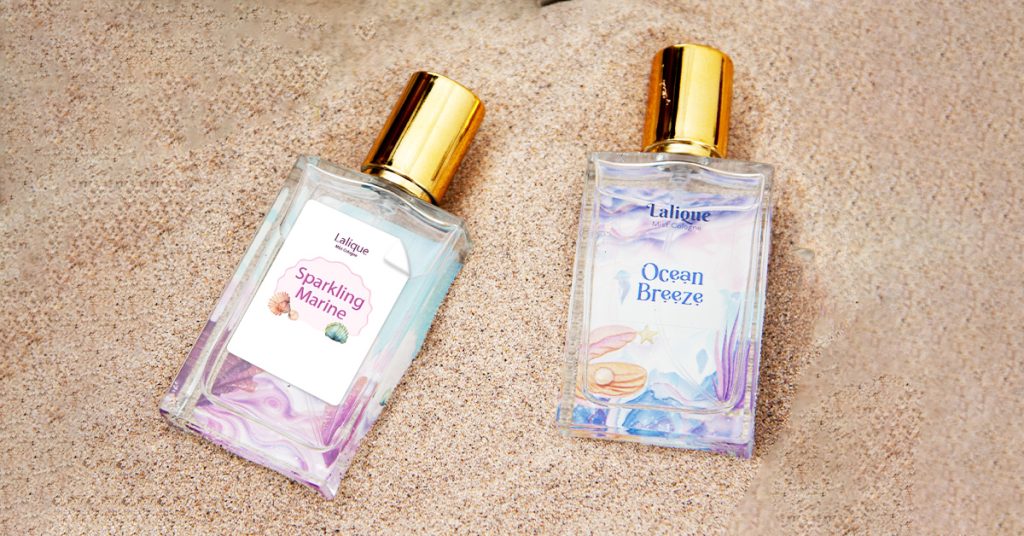
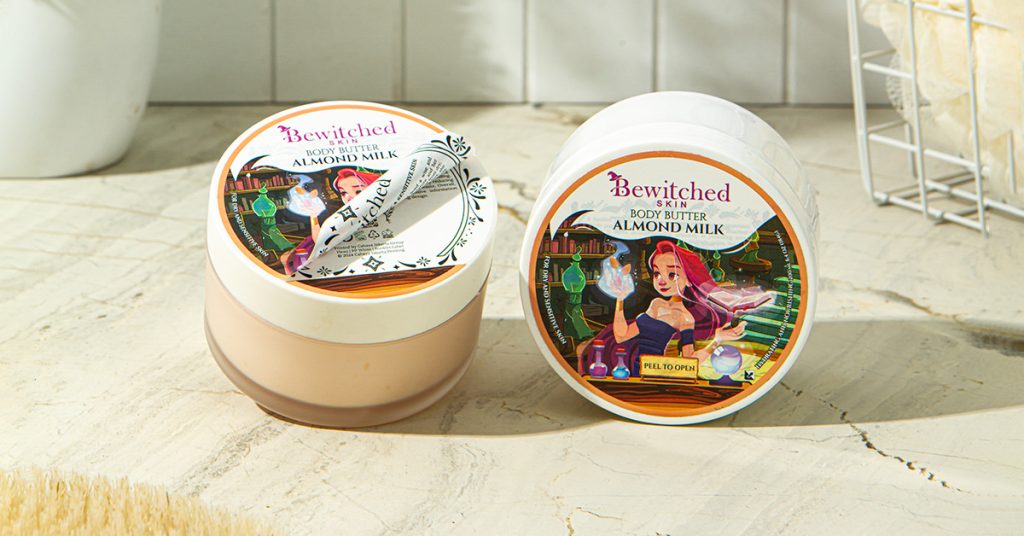
Sticker label is the most widely used type. Typically made from materials such as paper, vinyl, or synthetic film. These labels are equipped with adhesive on the back and can be easily applied to a wide range of packaging surfaces. Advantages:
  • Flexible in application
Can be applied to various types of packaging surfaces, both flat and curved.
  • Suitable for small-scale production
Can be printed in small quantities without significantly increasing unit costs, ideal for custom, seasonal or limited edition products.
  • Easy Customizable Design 
The size, color, and shape of the label can be quickly adjusted to fit packaging needs and branding strategies.  Disadvantages:
  • Risk of peeling due to repeated friction
Although Pressure Sensitive Label (PSL) materials are water-resistant and fairly durable, the label is still at risk of peeling off if frequently exposed to friction during distribution or storage—especially on uneven surfaces or when constantly rubbing against other products.
  • Adhesive may age or yellow over time
With long-term storage or excessive UV exposure, the adhesive on the back of the label may lose its stickiness or even turn yellow, which can reduce the visual appeal of the product.
  • Standard appearance without special finishing
Without enhancements such as embossing, varnish, or foil, PSL labels may look less premium—especially for high-end products.

In-Mould Label (IML)

In-Mould Labeling is a technology that integrates the label into the plastic packaging molding process. The label is placed inside the mold, then fuses with the packaging during the molding process. This technique is commonly used for bottles, food containers, or household products. Advantages:
  • High Durability
Since it fuses with the packaging, the label doesn’t easily peel off, tear, or fade, even under extreme conditions.
  • Resistant to water, chemicals, and friction
Suitable for products that require high durability, such as cleaning agents, frozen foods, or outdoor goods.
  • Professional and neat appearance
The label looks like an integral part of the packaging, giving a high-quality and premium impression. Disadvantages:
  • High initial production cost
Requires significant investment in molds and special machinery, making it less suitable for small businesses. 
  • Limited flexibility for redesign
Changing the label design or product information involves modifying molds, which takes time and adds cost.
  • Inefficient for small-scale production
This method is only cost-effective for mass production, as unit costs are high for small volumes.

Shrink Sleeve Label

Shrink sleeve label is made from a thin plastic material shaped like a tube that wraps around the entire surface of the packaging, then shrinks with heat to conform to the contours of the product. This method is commonly used for beverage bottles, cosmetic products, and uniquely shaped packaging. Advantages:
  • 360-degree design coverage
Wrap around the entire package, providing more space for branding and product information.
  • Water and friction resistant
Offers full protection, perfect for beverages, cosmetics, or products exposed to moisture.
  • Visually impactful on shelves
The full-body design helps the product stand out and be easily recognized by consumers.  Disadvantages:
  • Requires additional equipment (heat tunnel)
The heat-shrinking process needs special tools, increasing both initial investment and maintenance.
  • Less environmentally friendly
Typically made from plastic, posing recycling challenges unless eco-friendly or recycled materials are used. Choosing the right labeling method requires more than a simple evaluation of pros and cons. It demands a comprehensive understanding of the product’s characteristics, production scale, packaging material, and long-term brand strategy. Each labeling technique offers unique advantages—from flexibility and cost-efficiency to premium aesthetics and durability—but no single solution fits all. Businesses must weigh considerations such as budget, design intent, consumer expectations, and environmental impact. An informed labeling decision enhances product presentation, improves operational efficiency, and strengthens market competitiveness. Labeling is not merely a technical task—it is a strategic choice that shapes how a product is perceived and performs in a dynamic marketplace.

Check Other Blog

Discover Heeren, a whisky label celebrating Bandung’s heritage with classic crest elements, artisanal illustrations, and refined gold-embossed finishing.
Cahaya Jakarta continues to innovate for a greener future. With PE75, the company combines high performance with genuine environmental responsibility.